


- Afhalen na 1 uur in een winkel met voorraad
- Gratis thuislevering in België vanaf € 30
- Ruim aanbod met 7 miljoen producten
- Afhalen na 1 uur in een winkel met voorraad
- Gratis thuislevering in België vanaf € 30
- Ruim aanbod met 7 miljoen producten





€ 12,95
+ 25 punten
Omschrijving
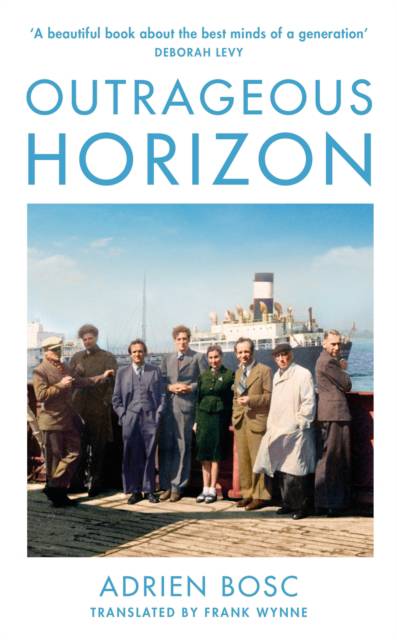
March 1941. A converted cargo ship, the Paul-Lemerle, left Marseille on a voyage to the Caribbean, fleeing Vichy France and the devastation of the war. The ship was filled with immigrants from the East, exiled Spanish Republicans, Jews, stateless persons and decadent artists. Among them were Claude Lévi-Strauss, the painter Wifredo Lam, the writers Anna Seghers and André Breton, and the Russian revolutionary Victor Serge. Can we know the taste of pineapple from listening to travellers' tales? asks Bosc in the follow-up to his bestselling debut. Can we ever feel the sensation of history? Mixing the documentary techniques of history, the imaginative leaps of fiction and the cool analysis of the essay, Bosc takes us from Marseille to Casablanca to Martinique and on to New York, to tell an evocative story of migration, cultural crisis and the intellectual cost of the rise of fascism.
Specificaties
Betrokkenen
- Auteur(s):
- Vertaler(s):
- Uitgeverij:
Inhoud
- Aantal bladzijden:
- 320
- Taal:
- Engels
Eigenschappen
- Productcode (EAN):
- 9781788162746
- Verschijningsdatum:
- 8/11/2022
- Uitvoering:
- Paperback
- Formaat:
- Trade paperback (VS)
- Afmetingen:
- 130 mm x 198 mm
- Gewicht:
- 204 g


Alleen bij Standaard Boekhandel
+ 25 punten op je klantenkaart van Standaard Boekhandel
Cadeau

AANGERADEN


Beoordelingen
We publiceren alleen reviews die voldoen aan de voorwaarden voor reviews. Bekijk onze voorwaarden voor reviews.