


- Afhalen na 1 uur in een winkel met voorraad
- Gratis thuislevering in België vanaf € 30
- Ruim aanbod met 7 miljoen producten
- Afhalen na 1 uur in een winkel met voorraad
- Gratis thuislevering in België vanaf € 30
- Ruim aanbod met 7 miljoen producten





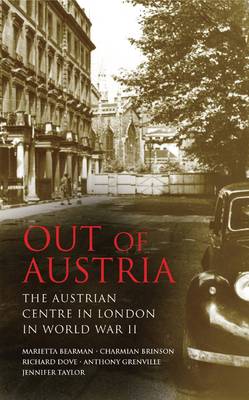
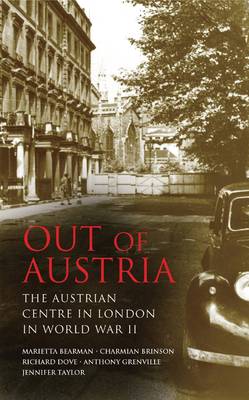
Out of Austria
The Austrian Centre in London in World War II
Marietta Bearman, Charmian Brinson, Richard Dove, Anthony Grenville, Jennifer Taylor
Paperback | Engels
€ 79,95
+ 159 punten
Omschrijving
The Austrian Centre was established in London in 1939 by Austrians seeking refuge from Nazi Germany, of whom 30,000 had reached Britain by the outbreak of World War II. It soon developed into a comprehensive social, cultural and political organisation with a theatre and a weekly newspaper of its own. A Communist-influenced organisation, it also followed a distinct political agenda. In the first book on the cultural and political life of Austrian refugees in Britain, "Out of Austria" assesses and evaluates the Austrian Centre's activities and achievements, while also examining the Austrians' often fraught relations with their British hosts. It gives a fascinating insight into such figures as Sigmund Freud, who became the Centre's Honorary President during his final months and the poet Erich Fried, then an unknown seventeen-year-old, k and sheds light on the interaction of politics and culture against the background of exile in wartime Britain.
Specificaties
Betrokkenen
- Auteur(s):
- Uitgeverij:
Inhoud
- Aantal bladzijden:
- 272
- Taal:
- Engels
Eigenschappen
- Productcode (EAN):
- 9781350172449
- Verschijningsdatum:
- 23/07/2020
- Uitvoering:
- Paperback
- Formaat:
- Trade paperback (VS)
- Afmetingen:
- 140 mm x 216 mm
- Gewicht:
- 326 g


Alleen bij Standaard Boekhandel
+ 159 punten op je klantenkaart van Standaard Boekhandel
Cadeau

AANGERADEN


Beoordelingen
We publiceren alleen reviews die voldoen aan de voorwaarden voor reviews. Bekijk onze voorwaarden voor reviews.