


- Afhalen na 1 uur in een winkel met voorraad
- Gratis thuislevering in België vanaf € 30
- Ruim aanbod met 7 miljoen producten
- Afhalen na 1 uur in een winkel met voorraad
- Gratis thuislevering in België vanaf € 30
- Ruim aanbod met 7 miljoen producten





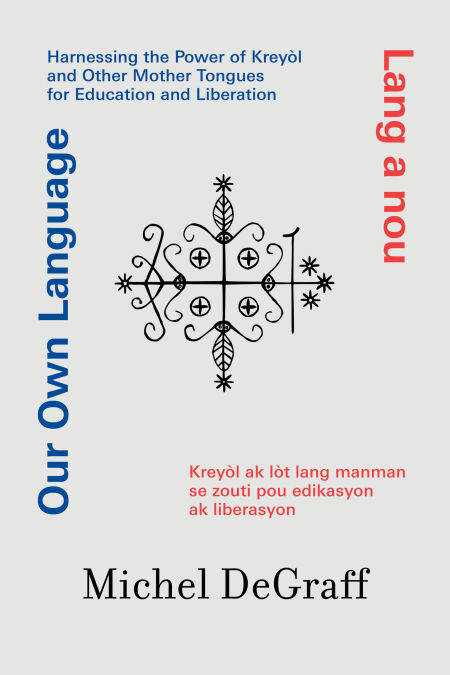
Our Own Language / Lang a nou E-BOOK
Harnessing the Power of Kreyòl and Other Mother Tongues for Education and Liberation / Kreyòl ak lòt lang manman se zo
Michel Degraff
E-book | Engels
€ 39,42
+ 39 punten
Uitvoering
Omschrijving
An exploration of the weaponization of language for neocolonialism, specifically the suppression of Haitian Creole—and why mother tongues are indispensable for universal access to quality education.
Our Own Language addresses the age-old, intricate, and generative relationship between language, power, and education, with a particular focus on the historical and ongoing suppression of Haitian Creole (Kreyòl) in Haiti in favor of French—the language of the former colonizers. It argues that this linguistic oppression is a tool for neocolonialism, mental slavery, and the entrenchment of social-class divides, thus undermining human rights and nation-building.
Michel DeGraff investigates the links between Haiti’s colonial and neocolonial history; the joint evolution of Creole languages and Creole studies; and how French in Haiti became a maker and marker of social hierarchies that exclude from education and governance those who speak Kreyòl only—that is, the majority of Haitians.
DeGraff draws on his own personal experience as a child growing up in Haiti, on historical accounts, and on linguistic analyses. The book extends its scope beyond Haiti, examining similar linguistic injustices in other parts of the world and in other sectors of society, and challenges dominant narratives and practices about language and development, even among agencies such as UNESCO and the World Bank.
Our Own Language addresses the age-old, intricate, and generative relationship between language, power, and education, with a particular focus on the historical and ongoing suppression of Haitian Creole (Kreyòl) in Haiti in favor of French—the language of the former colonizers. It argues that this linguistic oppression is a tool for neocolonialism, mental slavery, and the entrenchment of social-class divides, thus undermining human rights and nation-building.
Michel DeGraff investigates the links between Haiti’s colonial and neocolonial history; the joint evolution of Creole languages and Creole studies; and how French in Haiti became a maker and marker of social hierarchies that exclude from education and governance those who speak Kreyòl only—that is, the majority of Haitians.
DeGraff draws on his own personal experience as a child growing up in Haiti, on historical accounts, and on linguistic analyses. The book extends its scope beyond Haiti, examining similar linguistic injustices in other parts of the world and in other sectors of society, and challenges dominant narratives and practices about language and development, even among agencies such as UNESCO and the World Bank.
Specificaties
Betrokkenen
- Auteur(s):
- Uitgeverij:
Inhoud
- Aantal bladzijden:
- 360
- Taal:
- Engels
Eigenschappen
- Productcode (EAN):
- 9780262053242
- Verschijningsdatum:
- 14/09/2026
- Uitvoering:
- E-book
- Beveiligd met:
- Adobe DRM
- Formaat:
- ePub


Alleen bij Standaard Boekhandel
+ 39 punten op je klantenkaart van Standaard Boekhandel
CADEAU

AANGERADEN


Beoordelingen
We publiceren alleen reviews die voldoen aan de voorwaarden voor reviews. Bekijk onze voorwaarden voor reviews.