


- Afhalen na 1 uur in een winkel met voorraad
- Gratis thuislevering in België vanaf € 30
- Ruim aanbod met 7 miljoen producten
- Afhalen na 1 uur in een winkel met voorraad
- Gratis thuislevering in België vanaf € 30
- Ruim aanbod met 7 miljoen producten





Omschrijving
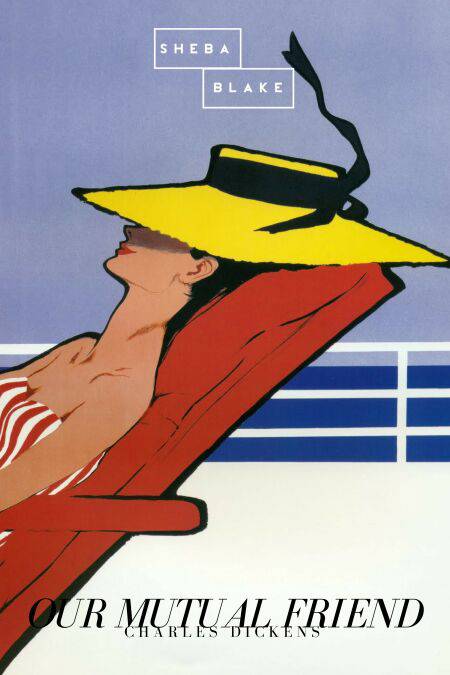
Our Mutual Friend, written in the years 1864–65, is the last novel completed by Charles Dickens and is one of his most sophisticated works, combining savage satire with social analysis. It centres on, in the words of critic J. Hillis Miller (quoting from the character Bella Wilfer in the book), "money, money, money, and what money can make of life." In the opening chapters a body is found in the Thames and identified as that of John Harmon, a young man recently returned to London to receive his inheritance. Were he alive, his father's will would require him to marry Bella Wilfer, a beautiful, mercenary girl whom he had never met. Instead, the money passes to the working-class Boffins, and the effects spread into various corners of London society. Having made his fortune from London's rubbish, a rich misanthropic miser dies, estranged from all except his faithful employees Mr and Mrs Boffin. By his will, his fortune goes to his estranged son John Harmon, who is to return from where he has settled abroad (possibly in South Africa) to claim it, on condition that he marries a woman he has never met, Miss Bella Wilfer. The implementation of the will is in the charge of the solicitor, Mortimer Lightwood, who has no other practice. Before the son and heir can claim his inheritance, he goes missing, presumed drowned, at the end of his journey back to London. A body is found in the Thames by Gaffer Hexam, a waterman who makes his living by retrieving corpses and robbing them of valuables, before handing them over to the authorities. Papers in the pockets of the drowned man identify him as the heir, John Harmon. Present at the identification is a mysterious young man, who gives his name as Julius Handford and then disappears. By the terms of the miser's will, the whole estate then devolves upon Mr and Mrs Boffin, naïve and good-hearted people who wish to enjoy it for themselves and to share it with others.
Specificaties
Betrokkenen
- Auteur(s):
- Uitgeverij:
Inhoud
- Aantal bladzijden:
- 722
- Taal:
- Engels
Eigenschappen
- Productcode (EAN):
- 9783849643065
- Verschijningsdatum:
- 25/02/2014
- Uitvoering:
- E-book
- Beveiligd met:
- Digital watermarking
- Formaat:
- ePub


Alleen bij Standaard Boekhandel
Cadeau

AANGERADEN


Beoordelingen
We publiceren alleen reviews die voldoen aan de voorwaarden voor reviews. Bekijk onze voorwaarden voor reviews.