


- Afhalen na 1 uur in een winkel met voorraad
- Gratis thuislevering in België vanaf € 30
- Ruim aanbod met 7 miljoen producten
- Afhalen na 1 uur in een winkel met voorraad
- Gratis thuislevering in België vanaf € 30
- Ruim aanbod met 7 miljoen producten





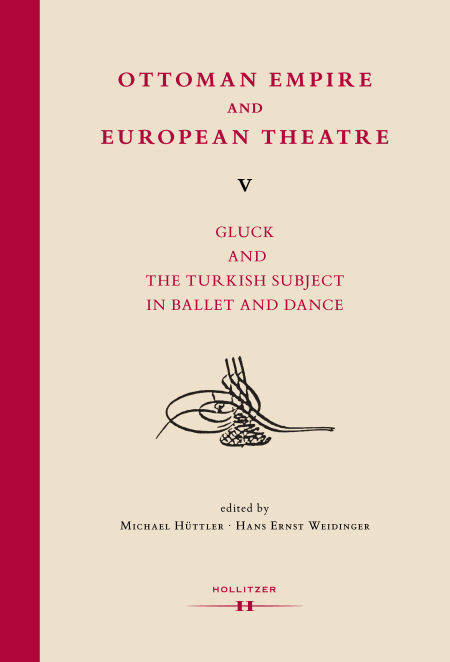
Ottoman Empire and European Theatre V E-BOOK
Gluck and the Turkish Subject in Ballet and Dance
€ 59,99
+ 59 punten
Uitvoering
Omschrijving
The book series "Ottomania" researches cultural transfers between the Ottoman Empire and Europe, with the performing arts as its focus. The fifth volume of the sub-series Ottoman Empire and European Theatre focuses on The Turkish Subject in Ballet and Dance from the seventeenth century to the time of Christoph W. Gluck (1714-1787). The Turkish theme was a popular topic on European ballet stages throughout the seventeenth and eighteenth centuries, and most influential choreographers had 'Turkish' ballets in their repertoire.
Taking as its departure point Ch. W. Gluck and Gasparo Angiolini (1741-1803), succesful composer and choreographer of ballets at the French theatre in Vienna, this publication discusses the topic from a historical perspective, presents new findings, and introduces the latest scholarly achievements of the research field.
Contributions by Emre Aracı, Bruce Alan Brown, David Chataignier, Sibylle Dahms, Vera Grund, Bert Gstettner, Bent Holm, Michael Hüttler, Evren Kutlay, Dóra Kiss, Laura Naudeix, Strother Purdy, Katalin Rumpler, Käthe Springer-Dissmann, Dirk Van Waelderen, Hans Ernst Weidinger
Taking as its departure point Ch. W. Gluck and Gasparo Angiolini (1741-1803), succesful composer and choreographer of ballets at the French theatre in Vienna, this publication discusses the topic from a historical perspective, presents new findings, and introduces the latest scholarly achievements of the research field.
Contributions by Emre Aracı, Bruce Alan Brown, David Chataignier, Sibylle Dahms, Vera Grund, Bert Gstettner, Bent Holm, Michael Hüttler, Evren Kutlay, Dóra Kiss, Laura Naudeix, Strother Purdy, Katalin Rumpler, Käthe Springer-Dissmann, Dirk Van Waelderen, Hans Ernst Weidinger
Specificaties
Betrokkenen
- Uitgeverij:
Inhoud
- Aantal bladzijden:
- 328
- Taal:
- Engels
- Reeks:
Eigenschappen
- Productcode (EAN):
- 9783990120767
- Verschijningsdatum:
- 21/05/2019
- Uitvoering:
- E-book
- Beveiligd met:
- Digital watermarking
- Formaat:
- ePub

Alleen bij Standaard Boekhandel
+ 59 punten op je klantenkaart van Standaard Boekhandel
Cadeau

AANGERADEN


Beoordelingen
We publiceren alleen reviews die voldoen aan de voorwaarden voor reviews. Bekijk onze voorwaarden voor reviews.