


- Afhalen na 1 uur in een winkel met voorraad
- Gratis thuislevering in België vanaf € 30
- Ruim aanbod met 7 miljoen producten
- Afhalen na 1 uur in een winkel met voorraad
- Gratis thuislevering in België vanaf € 30
- Ruim aanbod met 7 miljoen producten





€ 48,95
+ 97 punten
Uitvoering
Eenvoudig bestellen
Veilig betalen


Gratis thuislevering vanaf € 30 (via bpost)
Gratis levering in je Standaard Boekhandel
Omschrijving
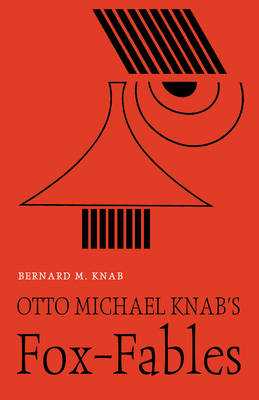
In the summer and early fall of 1936, Otto Michael Knab published twenty-one fables in the Deutsche Briefe, a Swiss weekly press service edited by Waldemar Gurian and Knab. Two years earlier, Knab had been forced to flee Germany, and his fables are a satiric and shocking commentary upon the corruption of German political, social, and religious institutions under Hitler (the fox). Here are shown the sinister and destructive features of the Third Reich, and the fables, where beasts illustrate the stupidity, perversity, and blindness of various segments of German society, constitute an indictment of Nazi totalitarianism in particular and all totalitarianism in general. Presented here with a new introduction by Ulrich Lehner, the fables were first printed in English in 1966. Translated by Bernard M. Knab, the son of their author, they provide American readers with a grimly humorous, thought-provoking, and unique account of Hitler's assault upon the German consciousness and upon the Christian philosophy of life. Bernard Knab has also written a biographical account of his father and has made a critical examination of the fables that will be of interest to students of literature and history alike. Each fable has been appropriately illustrated by James Brunsman.
Specificaties
Betrokkenen
- Auteur(s):
- Uitgeverij:
Inhoud
- Aantal bladzijden:
- 86
- Taal:
- Engels
- Reeks:
- Reeksnummer:
- nr. 2
Eigenschappen
- Productcode (EAN):
- 9781532632945
- Verschijningsdatum:
- 9/11/2017
- Uitvoering:
- Hardcover
- Formaat:
- Genaaid
- Afmetingen:
- 152 mm x 229 mm
- Gewicht:
- 290 g


Alleen bij Standaard Boekhandel
+ 97 punten op je klantenkaart van Standaard Boekhandel
CADEAU

AANGERADEN


Beoordelingen
We publiceren alleen reviews die voldoen aan de voorwaarden voor reviews. Bekijk onze voorwaarden voor reviews.