



- Afhalen na 1 uur in een winkel met voorraad
- In januari gratis thuislevering in België
- Ruim aanbod met 7 miljoen producten
- Afhalen na 1 uur in een winkel met voorraad
- In januari gratis thuislevering in België
- Ruim aanbod met 7 miljoen producten





€ 19,58
+ 19 punten
Uitvoering
Omschrijving
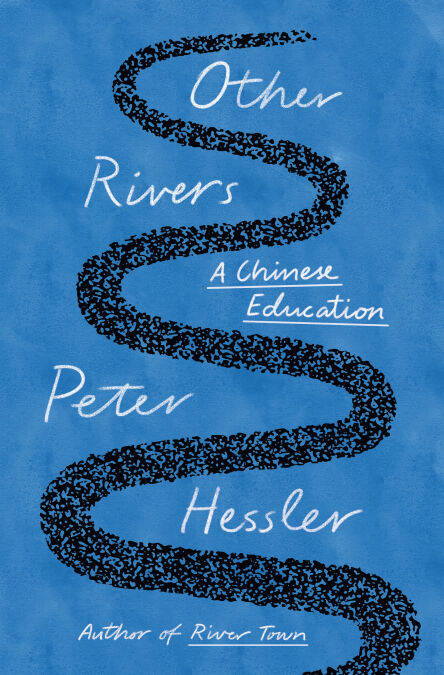
An intimate and revelatory account of two generations of students in China’s heartland, by an author who has observed the country’s tumultuous changes over the past quarter century
More than two decades after teaching English during the early part of China’s economic boom, an experience chronicled in his book River Town, Peter Hessler returned to Sichuan province to instruct students from the next generation. At the same time, Hessler and his wife enrolled their twin daughters in a local state-run elementary school, where they were the only Westerners. Over the years, Hessler had kept in close contact with many of the people he had taught in the 1990s. By reconnecting with these individuals—members of China’s “Reform generation,” now in their forties—while teaching current undergrads, Hessler gained a unique perspective on China’s incredible transformation.
In 1996, when Hessler arrived in China, almost all of the people in his classroom were first-generation college students. They typically came from large rural families, and their parents, subsistence farmers, could offer little guidance as their children entered a brand-new world. By 2019, when Hessler arrived at Sichuan University, he found a very different China, as well as a new kind of student—an only child whose schooling was the object of intense focus from a much more ambitious cohort of parents. At Sichuan University, many young people had a sense of irony about the regime but mostly navigated its restrictions with equanimity, embracing the opportunities of China’s rise. But the pressures of extreme competition at scale can be grueling, even for much younger children—including Hessler’s own daughters, who gave him an intimate view into the experience at their local school.
In Peter Hessler’s hands, China’s education system is the perfect vehicle for examining the country’s past, present, and future, and what we can learn from it, for good and ill. At a time when anti-Chinese rhetoric in America has grown blunt and ugly, Other Rivers is a tremendous, essential gift, a work of enormous empathy that rejects cheap stereotypes and shows us China from the inside out and the bottom up. As both a window onto China and a mirror onto America, Other Rivers is a classic from a master of the form.
More than two decades after teaching English during the early part of China’s economic boom, an experience chronicled in his book River Town, Peter Hessler returned to Sichuan province to instruct students from the next generation. At the same time, Hessler and his wife enrolled their twin daughters in a local state-run elementary school, where they were the only Westerners. Over the years, Hessler had kept in close contact with many of the people he had taught in the 1990s. By reconnecting with these individuals—members of China’s “Reform generation,” now in their forties—while teaching current undergrads, Hessler gained a unique perspective on China’s incredible transformation.
In 1996, when Hessler arrived in China, almost all of the people in his classroom were first-generation college students. They typically came from large rural families, and their parents, subsistence farmers, could offer little guidance as their children entered a brand-new world. By 2019, when Hessler arrived at Sichuan University, he found a very different China, as well as a new kind of student—an only child whose schooling was the object of intense focus from a much more ambitious cohort of parents. At Sichuan University, many young people had a sense of irony about the regime but mostly navigated its restrictions with equanimity, embracing the opportunities of China’s rise. But the pressures of extreme competition at scale can be grueling, even for much younger children—including Hessler’s own daughters, who gave him an intimate view into the experience at their local school.
In Peter Hessler’s hands, China’s education system is the perfect vehicle for examining the country’s past, present, and future, and what we can learn from it, for good and ill. At a time when anti-Chinese rhetoric in America has grown blunt and ugly, Other Rivers is a tremendous, essential gift, a work of enormous empathy that rejects cheap stereotypes and shows us China from the inside out and the bottom up. As both a window onto China and a mirror onto America, Other Rivers is a classic from a master of the form.
Specificaties
Betrokkenen
- Auteur(s):
- Uitgeverij:
Inhoud
- Aantal bladzijden:
- 464
- Taal:
- Engels
Eigenschappen
- Productcode (EAN):
- 9780593655344
- Verschijningsdatum:
- 8/07/2024
- Uitvoering:
- E-book
- Beveiligd met:
- Adobe DRM
- Formaat:
- ePub


Alleen bij Standaard Boekhandel
+ 19 punten op je klantenkaart van Standaard Boekhandel
Cadeau

AANGERADEN


Beoordelingen
We publiceren alleen reviews die voldoen aan de voorwaarden voor reviews. Bekijk onze voorwaarden voor reviews.