


- Afhalen na 1 uur in een winkel met voorraad
- Gratis thuislevering in België vanaf € 30
- Ruim aanbod met 7 miljoen producten
- Afhalen na 1 uur in een winkel met voorraad
- Gratis thuislevering in België vanaf € 30
- Ruim aanbod met 7 miljoen producten





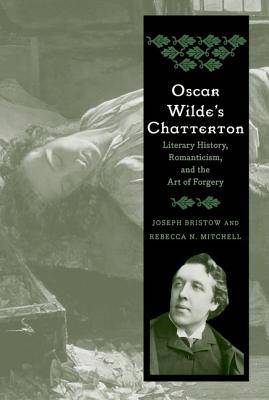
Oscar Wilde's Chatterton
Literary History, Romanticism, and the Art of Forgery
Joseph Bristow, Rebecca N Mitchell
Hardcover | Engels
€ 149,45
+ 298 punten
Eenvoudig bestellen
Veilig betalen


Gratis thuislevering vanaf € 30 (via bpost)
Gratis levering in je Standaard Boekhandel
Omschrijving
In Oscar Wilde's Chatterton, Joseph Bristow and Rebecca N. Mitchell explore Wilde's fascination with the eighteenth-century forger Thomas Chatterton, who tragically took his life at the age of seventeen. This innovative study combines a scholarly monograph with a textual edition of the extensive notes that Wilde took on the brilliant forger who inspired not only Coleridge, Wordsworth, and Keats but also Victorian artists and authors. Bristow and Mitchell argue that Wilde's substantial "Chatterton" notebook, which previous scholars have deemed a work of plagiarism, is central to his development as a gifted writer of criticism, drama, fiction, and poetry. This volume, which covers the whole span of Wilde's career, reveals that his research on Chatterton informs his deepest engagements with Romanticism, plagiarism, and forgery, especially in later works such as "The Portrait of Mr. W. H.," The Picture of Dorian Gray, and The Importance of Being Earnest. Grounded in painstaking archival research that draws on previously undiscovered sources, Oscar Wilde's Chatterton explains why, in Wilde's personal canon of great writers (which included such figures as Charles Baudelaire, Gustave Flaubert, Th ophile Gautier, and Dante Gabriel Rossetti), Chatterton stood as an equal in this most distinguished company.
Specificaties
Betrokkenen
- Auteur(s):
- Uitgeverij:
Inhoud
- Aantal bladzijden:
- 488
- Taal:
- Engels
Eigenschappen
- Productcode (EAN):
- 9780300208306
- Verschijningsdatum:
- 31/03/2015
- Uitvoering:
- Hardcover
- Formaat:
- Genaaid
- Afmetingen:
- 163 mm x 241 mm
- Gewicht:
- 816 g


Alleen bij Standaard Boekhandel
+ 298 punten op je klantenkaart van Standaard Boekhandel
CADEAU

AANGERADEN


Beoordelingen
We publiceren alleen reviews die voldoen aan de voorwaarden voor reviews. Bekijk onze voorwaarden voor reviews.