


- Afhalen na 1 uur in een winkel met voorraad
- Gratis thuislevering in België vanaf € 30
- Ruim aanbod met 7 miljoen producten
- Afhalen na 1 uur in een winkel met voorraad
- Gratis thuislevering in België vanaf € 30
- Ruim aanbod met 7 miljoen producten




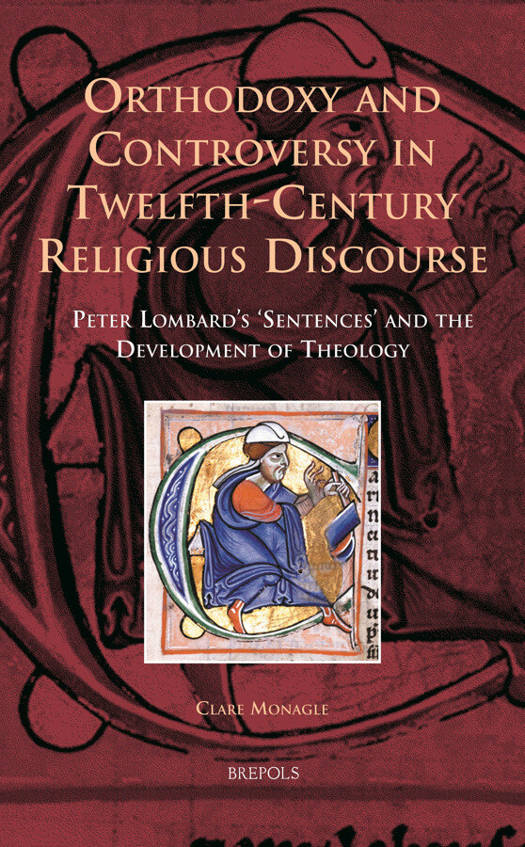
Orthodoxy and Controversy in Twelfth-Century Religious Discourse
Peter Lombard's 'Sentences' and the Development of Theology
Clare Monagle
€ 90,10
+ 180 punten
Omschrijving
This is the first book to look closely at the contested reception of Peter Lombard's Sentences and its eventual triumph at the Fourth Lateran Council. By placing Peter Lombard's career and works within the broader frame of twelfth-century ideas, practice, and institutions, the author explores and contextualizes the controversies that attended the publication of the Sentences. At the same time, she also traces the growing popularity of the Sentences and its increasing prestige and importance among the literary elites of Northern Europe. The book argues that the allegations of error made against Lombard's Christology and Trinitarian theology in the period between 1156 and 1215 must be understood in the longer history of intellectual controversy in the Schools of Northern Europe. In the trials of Berengar of Tours, Abelard, and Gilbert of Poitiers, the author uncovers a consistent tradition of critique within the schools which, she then shows, inform subsequent criticisms of Peter Lombard's intellectual legacy. Concomitantly, she explores how responses made in support of the Sentences, against men such as Gerhoh of Reichersberg and Joachim of Fiore, consolidated the emerging canonical status of the work as a textbook in theology which would be finally endorsed at Lateran IV. As such, this study challenges our understanding of the making of orthodoxy in the twelfth century.
Specificaties
Betrokkenen
- Auteur(s):
- Uitgeverij:
Inhoud
- Aantal bladzijden:
- 214
- Taal:
- Engels
- Reeks:
- Reeksnummer:
- nr. 8
Eigenschappen
- Productcode (EAN):
- 9782503527956
- Verschijningsdatum:
- 21/08/2013
- Uitvoering:
- Hardcover
- Formaat:
- Genaaid
- Afmetingen:
- 160 mm x 239 mm
- Gewicht:
- 498 g


Alleen bij Standaard Boekhandel
+ 180 punten op je klantenkaart van Standaard Boekhandel
AANGERADEN


Beoordelingen
We publiceren alleen reviews die voldoen aan de voorwaarden voor reviews. Bekijk onze voorwaarden voor reviews.