


- Afhalen na 1 uur in een winkel met voorraad
- Gratis thuislevering in België vanaf € 30
- Ruim aanbod met 7 miljoen producten
- Afhalen na 1 uur in een winkel met voorraad
- Gratis thuislevering in België vanaf € 30
- Ruim aanbod met 7 miljoen producten





€ 4,45
+ 8 punten
Uitvoering
Omschrijving
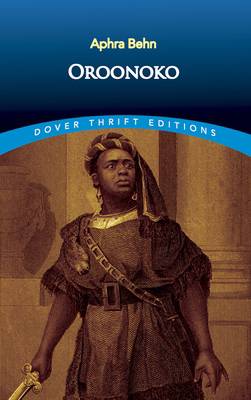
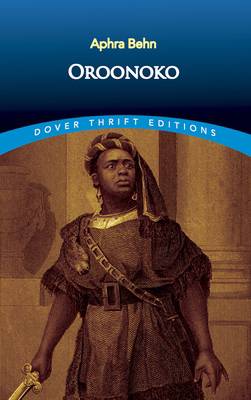
A landmark in the history of the novel, Oroonoko is among the earliest such works in the English language and its author, Aphra Behn, is often cited as the first professional woman writer. Originally published in 1688, the tale combines memoir, biography, and travelogue in the form of a narrative by an Englishwoman visiting Surinam. The storyteller's account of an African prince who is sold into slavery and becomes the leader of a rebellion represents one of the first fictional treatments of colonial and abolitionist themes, and it is unusual for its era in its sympathetic regard for black Africans.
Despite the considerable success of her poetry, plays, and fiction, little is known for certain about the life of Restoration-era author Aphra Behn (1640-89). Two centuries after Behn's burial in Westminster Abbey's Poets Corner, Virginia Woolf observed, "All women together ought to let flowers fall upon the tomb of Aphra Behn ... for it was she who earned them the right to speak their minds."
Despite the considerable success of her poetry, plays, and fiction, little is known for certain about the life of Restoration-era author Aphra Behn (1640-89). Two centuries after Behn's burial in Westminster Abbey's Poets Corner, Virginia Woolf observed, "All women together ought to let flowers fall upon the tomb of Aphra Behn ... for it was she who earned them the right to speak their minds."
Specificaties
Betrokkenen
- Auteur(s):
- Uitgeverij:
Inhoud
- Aantal bladzijden:
- 80
- Taal:
- Engels
- Reeks:
Eigenschappen
- Productcode (EAN):
- 9780486814834
- Verschijningsdatum:
- 15/08/2017
- Uitvoering:
- Paperback
- Formaat:
- Trade paperback (VS)
- Afmetingen:
- 127 mm x 203 mm
- Gewicht:
- 45 g


Alleen bij Standaard Boekhandel
+ 8 punten op je klantenkaart van Standaard Boekhandel
AANGERADEN


Beoordelingen
We publiceren alleen reviews die voldoen aan de voorwaarden voor reviews. Bekijk onze voorwaarden voor reviews.