


- Afhalen na 1 uur in een winkel met voorraad
- Gratis thuislevering in België vanaf € 30
- Ruim aanbod met 7 miljoen producten
- Afhalen na 1 uur in een winkel met voorraad
- Gratis thuislevering in België vanaf € 30
- Ruim aanbod met 7 miljoen producten





€ 65,95
+ 131 punten
Omschrijving
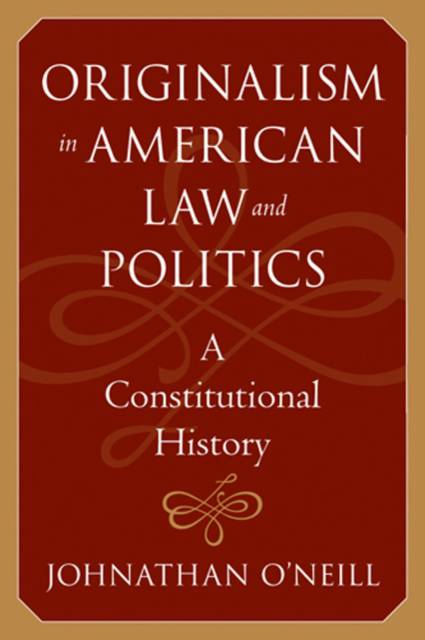
O'Neill's book presents an overview of originalism's rise and influence in American politics and law today. Originalism is the school of jurisprudence that seeks to interpret the U.S. constitution according to its original meaning and intentions, to the extent that they can be drawn from the constitution itself, related documents, and institutions at the time of the drafting and ratification of the constitution. O'Neill's history explains how this originalist conception of legitimate constitutional authority became an increasingly cogent and systematic way of evaluating Supreme Court decisions and competing constitutional theories. The focus of the book is on academic commentators, their ideas, and their criticism of the Court in the shifting political context of the twentieth century. Originalism gained increasing favor as conservatism grew more popular from the time of Ronald Reagan's presidency. On the present Supreme Court, Justices Antonin Scalia and Clarence Thomas oftentimes will invoke aspects of originalist thought in their decisions. Originalism remains a contentious view of constitutional interpretation and has done much to reverse much of the liberal legal activism of the Supreme Court from the '50s and '60s.
Specificaties
Betrokkenen
- Auteur(s):
- Uitgeverij:
Inhoud
- Aantal bladzijden:
- 296
- Taal:
- Engels
- Reeks:
Eigenschappen
- Productcode (EAN):
- 9780801887604
- Verschijningsdatum:
- 1/09/2007
- Uitvoering:
- Paperback
- Formaat:
- Trade paperback (VS)
- Afmetingen:
- 152 mm x 229 mm
- Gewicht:
- 435 g



Alleen bij Standaard Boekhandel
+ 131 punten op je klantenkaart van Standaard Boekhandel
CADEAU

AANGERADEN


Beoordelingen
We publiceren alleen reviews die voldoen aan de voorwaarden voor reviews. Bekijk onze voorwaarden voor reviews.