



Bedankt voor het vertrouwen het afgelopen jaar! Om jou te bedanken bieden we GRATIS verzending (in België) aan op alles gedurende de hele maand januari.
- Afhalen na 1 uur in een winkel met voorraad
- In januari gratis thuislevering in België
- Ruim aanbod met 7 miljoen producten
Bedankt voor het vertrouwen het afgelopen jaar! Om jou te bedanken bieden we GRATIS verzending (in België) aan op alles gedurende de hele maand januari.
- Afhalen na 1 uur in een winkel met voorraad
- In januari gratis thuislevering in België
- Ruim aanbod met 7 miljoen producten





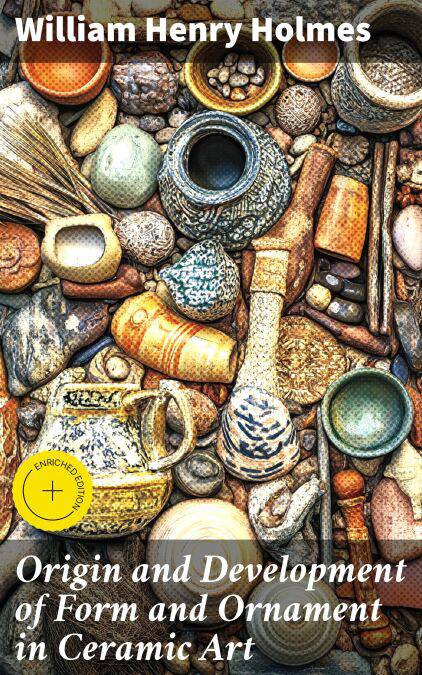
Origin and Development of Form and Ornament in Ceramic Art E-BOOK
Enriched edition. Exploring the Evolution of Ceramic Art Forms and Designs
William Henry Holmes
E-book | Engels
€ 1,99
+ 1 punten
Omschrijving
In "Origin and Development of Form and Ornament in Ceramic Art," William Henry Holmes meticulously examines the evolution of ceramics, uncovering the interplay between form and decorative elements throughout history. Holmes employs a comparative approach, juxtaposing various cultures and periods, and is adept at blending scientific analysis with aesthetic appreciation. The text is richly illustrated, allowing readers to visualize the intricate designs that reflect not just artistic sensibilities, but also social and technological advances in ceramic production. This book stands as a cornerstone in the field of art history, influencing how we perceive the relationship between function and ornamentation in decorative arts. William Henry Holmes was a pivotal figure in American archaeology and art history during the late 19th and early 20th centuries. His extensive fieldwork and scholarly pursuits provided him with firsthand insight into the artistic traditions of Native American cultures. Holmes's blend of scientific rigor and artistic sensibility in his writing reflects his belief that understanding the origins of art helps illuminate the cultural narratives of societies. His experiences instilled in him a deep appreciation for the symbiotic relationship between form and ornamentation. I highly recommend this book to both art historians and general readers interested in understanding the significance of ceramics as an art form. Holmes's scholarship not only enriches our comprehension of cultural development but also invites contemplation on the broader implications of creative expression across civilizations. This work is essential for anyone keen to explore the intersection of art, history, and culture.
In this enriched edition, we have carefully created added value for your reading experience:
- A succinct Introduction situates the work's timeless appeal and themes.
- The Synopsis outlines the central plot, highlighting key developments without spoiling critical twists.
- A detailed Historical Context immerses you in the era's events and influences that shaped the writing.
- A thorough Analysis dissects symbols, motifs, and character arcs to unearth underlying meanings.
- Reflection questions prompt you to engage personally with the work's messages, connecting them to modern life.
- Hand‐picked Memorable Quotes shine a spotlight on moments of literary brilliance.
- Interactive footnotes clarify unusual references, historical allusions, and archaic phrases for an effortless, more informed read.
In this enriched edition, we have carefully created added value for your reading experience:
- A succinct Introduction situates the work's timeless appeal and themes.
- The Synopsis outlines the central plot, highlighting key developments without spoiling critical twists.
- A detailed Historical Context immerses you in the era's events and influences that shaped the writing.
- A thorough Analysis dissects symbols, motifs, and character arcs to unearth underlying meanings.
- Reflection questions prompt you to engage personally with the work's messages, connecting them to modern life.
- Hand‐picked Memorable Quotes shine a spotlight on moments of literary brilliance.
- Interactive footnotes clarify unusual references, historical allusions, and archaic phrases for an effortless, more informed read.
Specificaties
Betrokkenen
- Auteur(s):
- Uitgeverij:
Inhoud
- Aantal bladzijden:
- 582
- Taal:
- Engels
Eigenschappen
- Productcode (EAN):
- 4064066241407
- Verschijningsdatum:
- 8/12/2019
- Uitvoering:
- E-book
- Beveiligd met:
- Digital watermarking
- Formaat:
- ePub


Alleen bij Standaard Boekhandel
+ 1 punten op je klantenkaart van Standaard Boekhandel
SOLDEN


Beoordelingen
We publiceren alleen reviews die voldoen aan de voorwaarden voor reviews. Bekijk onze voorwaarden voor reviews.