


- Afhalen na 1 uur in een winkel met voorraad
- Gratis thuislevering in België vanaf € 30
- Ruim aanbod met 7 miljoen producten
- Afhalen na 1 uur in een winkel met voorraad
- Gratis thuislevering in België vanaf € 30
- Ruim aanbod met 7 miljoen producten





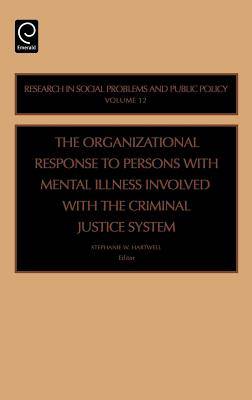
Organizational Response to Persons with Mental Illness Involved with the Criminal Justice System
€ 241,95
+ 483 punten
Omschrijving
From arrest to release, the organizational response to mentally ill offenders is continually evolving according to existing policies and resources. How organizations respond, how they should respond, and their ability to evolve is important. The chapters in this volume offer cases with wide ranging policy implications regarding structural and functional changes institutions and organizations might consider given the confines of context and resources to improve the conditions of mentally ill offenders. Policies regarding mentally ill offenders are played out differently by state and county, and the capacity of communities to support individuals with mental illness and criminal histories varies. The quantitative and qualitative research on organizational responses to offenders with mental illness highlighted herein include program evaluation; data collection; best practices in resource utilization; dispositions and the courts; screening; and a broader articulation of outcomes given the special needs of the population.
Specificaties
Betrokkenen
- Uitgeverij:
Inhoud
- Aantal bladzijden:
- 232
- Taal:
- Engels
- Reeks:
- Reeksnummer:
- nr. 12
Eigenschappen
- Productcode (EAN):
- 9780762312313
- Verschijningsdatum:
- 24/06/2005
- Uitvoering:
- Hardcover
- Formaat:
- Genaaid
- Afmetingen:
- 164 mm x 230 mm
- Gewicht:
- 476 g

Alleen bij Standaard Boekhandel
+ 483 punten op je klantenkaart van Standaard Boekhandel
Cadeau

AANGERADEN


Beoordelingen
We publiceren alleen reviews die voldoen aan de voorwaarden voor reviews. Bekijk onze voorwaarden voor reviews.