


- Afhalen na 1 uur in een winkel met voorraad
- Gratis thuislevering in België vanaf € 30
- Ruim aanbod met 7 miljoen producten
- Afhalen na 1 uur in een winkel met voorraad
- Gratis thuislevering in België vanaf € 30
- Ruim aanbod met 7 miljoen producten





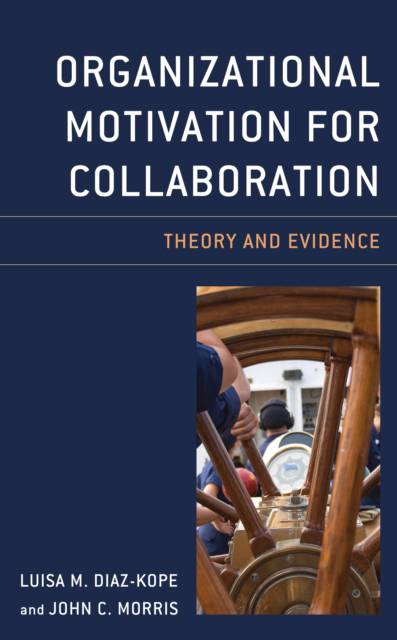
Organizational Motivation for Collaboration
Theory and Evidence
Luisa M Diaz-Kope, John C Morris
Hardcover | Engels
€ 195,45
+ 390 punten
Eenvoudig bestellen
Veilig betalen


Gratis thuislevering vanaf € 30 (via bpost)
Gratis levering in je Standaard Boekhandel
Omschrijving
This book determines that watershed protection and restoration in the 21st century requires adaptive and responsive strategies that incorporate regulatory frameworks in conjunction with community stakeholder engagement. The severity and pervasiveness of watershed pollution require building resource capacity through the formation of multi-sector strategic alliances. Given the complexities of watershed management and the need to leverage resources to achieve better environmental outcomes, understanding the role of motivations in watershed collaboration is vital to the efficacy of watershed protection and restoration endeavors. The authors use an in-depth case study to investigate the social processes and the motivations that drive organizations operating within a shared local watershed to voluntarily direct their resources and participate in watershed collaboration.
Specificaties
Betrokkenen
- Auteur(s):
- Uitgeverij:
Inhoud
- Aantal bladzijden:
- 198
- Taal:
- Engels
Eigenschappen
- Productcode (EAN):
- 9781498578523
- Verschijningsdatum:
- 25/09/2019
- Uitvoering:
- Hardcover
- Formaat:
- Genaaid
- Afmetingen:
- 152 mm x 229 mm
- Gewicht:
- 435 g


Alleen bij Standaard Boekhandel
+ 390 punten op je klantenkaart van Standaard Boekhandel
CADEAU

AANGERADEN


Beoordelingen
We publiceren alleen reviews die voldoen aan de voorwaarden voor reviews. Bekijk onze voorwaarden voor reviews.