


- Afhalen na 1 uur in een winkel met voorraad
- Gratis thuislevering in België vanaf € 30
- Ruim aanbod met 7 miljoen producten
- Afhalen na 1 uur in een winkel met voorraad
- Gratis thuislevering in België vanaf € 30
- Ruim aanbod met 7 miljoen producten





€ 34,95
+ 69 punten
Omschrijving
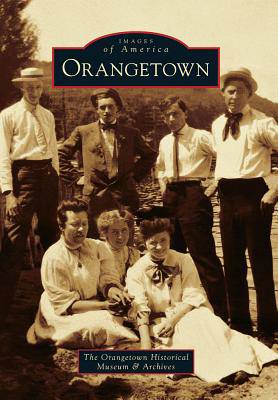
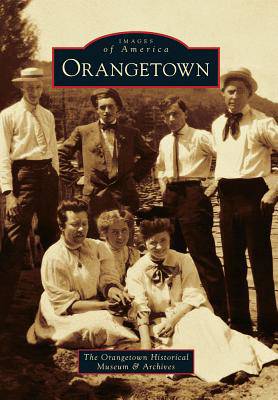
Settled by Dutch farmers and entrepreneurs in the 17th and 18th centuries, Orangetown's story is tied closely to America's history. It was here that British and Continental armies marched through; where the infamous Maj. John André, coconspirator of Benedict Arnold, was tried and hanged for treason; and where three times Washington established his headquarters and finalized terms for the end of the American Revolution. In the 19th century, Orangetown was both a quiet and productive area of farms and mills and at the forefront of the Industrial Revolution. Its shipyards, steamships, railroads, and factories manufactured and transported passengers, produce, and freight to and from nearby New York City and beyond. In the early 20th century, Orangetown's rural charm attracted affluent city dwellers with spas, elegant resorts, and pristine real estate. In the 1940s, over one million soldiers trained at Camp Shanks for combat deployment in Europe. In the 1950s, life was changed irrevocably with the opening of the Tappan Zee Bridge and the New York State Thruway.
Specificaties
Betrokkenen
- Auteur(s):
- Uitgeverij:
Inhoud
- Aantal bladzijden:
- 128
- Taal:
- Engels
- Reeks:
Eigenschappen
- Productcode (EAN):
- 9780738576473
- Verschijningsdatum:
- 16/01/2012
- Uitvoering:
- Paperback
- Formaat:
- Trade paperback (VS)
- Afmetingen:
- 163 mm x 231 mm
- Gewicht:
- 299 g


Alleen bij Standaard Boekhandel
+ 69 punten op je klantenkaart van Standaard Boekhandel
Cadeau

AANGERADEN


Beoordelingen
We publiceren alleen reviews die voldoen aan de voorwaarden voor reviews. Bekijk onze voorwaarden voor reviews.