



Je cadeautjes zeker op tijd in huis hebben voor de feestdagen? Kom langs in onze winkels en vind het perfecte geschenk!
- Afhalen na 1 uur in een winkel met voorraad
- Gratis thuislevering in België vanaf € 30
- Ruim aanbod met 7 miljoen producten
Je cadeautjes zeker op tijd in huis hebben voor de feestdagen? Kom langs in onze winkels en vind het perfecte geschenk!
- Afhalen na 1 uur in een winkel met voorraad
- Gratis thuislevering in België vanaf € 30
- Ruim aanbod met 7 miljoen producten





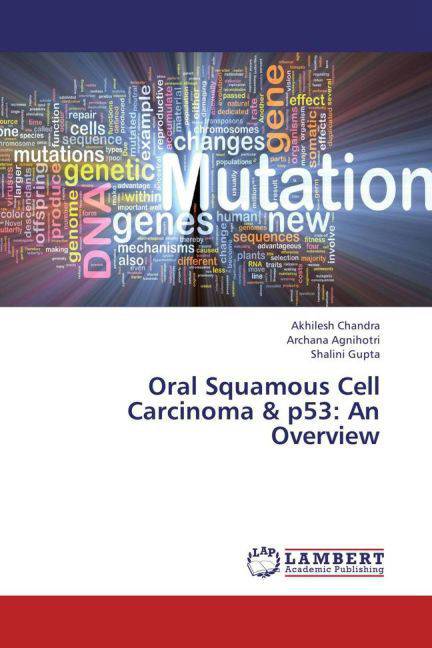
Oral Squamous Cell Carcinoma & p53: An Overview
An Overview
Akhilesh Chandra, Archana Agnihotri, Shalini Gupta
Paperback | Engels
€ 79,45
+ 158 punten
Omschrijving
Oral Squamous Cell Carcinoma (OSCC) also termed epidermoid carcinoma, is a malignant neoplasm that is derived from or exhibits the morphologic features of oral squamous epithelium. In India, the prevalence of oral cancer is up to four times higher than in other countries. It is most common cancer and approximately 94 percent of all oral malignancies are squamous cell carcinoma. The higher incidence of cases is linked to the high prevalence of a unique smokeless tobacco habit in which the tobacco, typically mixed with areca (betel) nut, slaked lime and spices, known as quid or paan and is held in the buccal vestibule for long period. This combination is more carcinogenic than tobacco used alone. Loss of heterozygosity (LOH) of chromosome region 17p and mutation of the TP53 gene are genetic alterations that occur in the stages of progression from dysplasia to invasive squamous carcinoma. Alterations of TP53, including mutation or deletion, are associated with increased genomic instability in oral dysplasia and may accelerate the rate of genetic alterations in oral carcinogenesis.
Specificaties
Betrokkenen
- Auteur(s):
- Uitgeverij:
Inhoud
- Aantal bladzijden:
- 156
- Taal:
- Engels
Eigenschappen
- Productcode (EAN):
- 9783659322822
- Verschijningsdatum:
- 16/01/2013
- Uitvoering:
- Paperback
- Afmetingen:
- 150 mm x 220 mm
- Gewicht:
- 236 g



Alleen bij Standaard Boekhandel
+ 158 punten op je klantenkaart van Standaard Boekhandel
CADEAU


Beoordelingen
We publiceren alleen reviews die voldoen aan de voorwaarden voor reviews. Bekijk onze voorwaarden voor reviews.