


- Afhalen na 1 uur in een winkel met voorraad
- Gratis thuislevering in België vanaf € 30
- Ruim aanbod met 7 miljoen producten
- Afhalen na 1 uur in een winkel met voorraad
- Gratis thuislevering in België vanaf € 30
- Ruim aanbod met 7 miljoen producten





€ 88,45
+ 176 punten
Uitvoering
Omschrijving
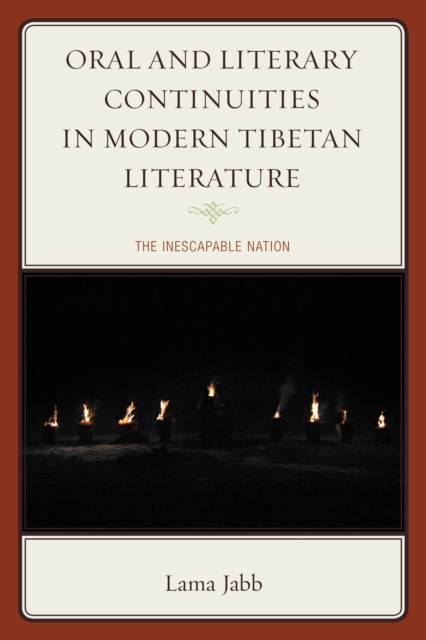
This is the first book-length study to appear in English on the literary, cultural and political roots of modern Tibetan literature. While existing scholarship on modern Tibetan writing takes the 1980s as its point of "birth" and presents this period as marking a "rupture" with traditional forms of literature, this book goes beyond such an interpretation by foregrounding instead the persistence of Tibet's artistic past and oral traditions in the literary creativity of the present. While acknowledging the innovative features of modern Tibetan literary creation, it draws attention to the hitherto neglected aspects of continuity within the new. This study explores the endurance of genres, styles, concepts, techniques, symbolisms, and idioms derived from Tibet's rich and diverse oral art forms and textual traditions. It reveals how Tibetan kavya poetics, the mgur genre, life-writing, the Gesar epic and other modes of oral and literary compositions are referenced and adapted in novel ways within modern Tibetan poetry and fiction. It also brings to prominence the complex and fertile interplay between orality and the Tibetan literary text. Embracing a multidisciplinary approach drawing on theoretical insights in western literary theory and criticism, political studies, sociology, and anthropology, this research shows that, alongside literary and oral continuities, the Tibetan nation proves to be an inevitable attribute of modern Tibetan literature.
Specificaties
Betrokkenen
- Auteur(s):
- Uitgeverij:
Inhoud
- Aantal bladzijden:
- 288
- Taal:
- Engels
- Reeks:
Eigenschappen
- Productcode (EAN):
- 9781498503358
- Verschijningsdatum:
- 18/06/2019
- Uitvoering:
- Paperback
- Formaat:
- Trade paperback (VS)
- Afmetingen:
- 150 mm x 226 mm
- Gewicht:
- 430 g


Alleen bij Standaard Boekhandel
+ 176 punten op je klantenkaart van Standaard Boekhandel
Cadeau

AANGERADEN


Beoordelingen
We publiceren alleen reviews die voldoen aan de voorwaarden voor reviews. Bekijk onze voorwaarden voor reviews.