


- Afhalen na 1 uur in een winkel met voorraad
- Gratis thuislevering in België vanaf € 30
- Ruim aanbod met 7 miljoen producten
- Afhalen na 1 uur in een winkel met voorraad
- Gratis thuislevering in België vanaf € 30
- Ruim aanbod met 7 miljoen producten





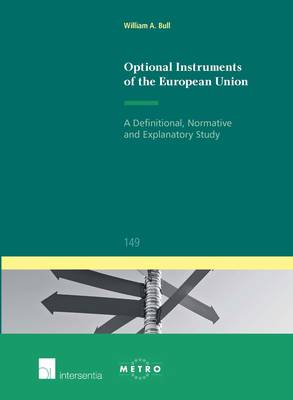
Optional Instruments of the European Union
A Definitional, Normative and Explanatory Study Volume 149
William Bull
€ 93,00
+ 186 punten
Eenvoudig bestellen
Veilig betalen


Gratis thuislevering vanaf € 30 (via bpost)
Gratis levering in je Standaard Boekhandel
Omschrijving
This rise of a particular kind of European Union legislation known as the 'optional instrument' is a novel trend in the context of EU law, and one that until now has not been comprehensively mapped or explored. This study examines and discusses existing and proposed EU Optional Instruments (OIs) in different fields of European law, including company law, intellectual property law and procedural law (such as the European Company, the Community Trade Mark and the European Small Claims Procedure, respectively), as well as contract law. The study identifies the core elements that define Optional Instruments of the EU and distinguish them from other kinds of EU legislation, especially so-called approximating measures. It provides a detailed overview of a total of twelve OIs in the aforementioned policy areas, charting their development, characteristics and (where appropriate) usage in practice. It investigates the case for and against the use of optional instruments as an alternative means of EU law-making, by analyzing and evaluating the principal arguments in the debate surrounding the use of this legislative method. Finally, it offers an explanation of the varied degree of 'success' of EU OIs already in existence, by identifying possible factors that play a role in this respect and testing the significance of these factors with reference to available empirical data. In doing so, the author provides a framework for future research into this developing phenomenon, as well as guidance for the elaboration of future Optional Instruments of the European Union.
Specificaties
Betrokkenen
- Auteur(s):
- Uitgeverij:
Inhoud
- Aantal bladzijden:
- 284
- Taal:
- Engels
- Reeks:
- Reeksnummer:
- nr. 149
Eigenschappen
- Productcode (EAN):
- 9781780684109
- Verschijningsdatum:
- 11/05/2016
- Uitvoering:
- Paperback
- Formaat:
- Trade paperback (VS)
- Afmetingen:
- 172 mm x 236 mm
- Gewicht:
- 548 g


Alleen bij Standaard Boekhandel
+ 186 punten op je klantenkaart van Standaard Boekhandel
CADEAU

AANGERADEN


Beoordelingen
We publiceren alleen reviews die voldoen aan de voorwaarden voor reviews. Bekijk onze voorwaarden voor reviews.