


- Afhalen na 1 uur in een winkel met voorraad
- Gratis thuislevering in België vanaf € 30
- Ruim aanbod met 7 miljoen producten
- Afhalen na 1 uur in een winkel met voorraad
- Gratis thuislevering in België vanaf € 30
- Ruim aanbod met 7 miljoen producten





€ 41,45
+ 82 punten
Omschrijving
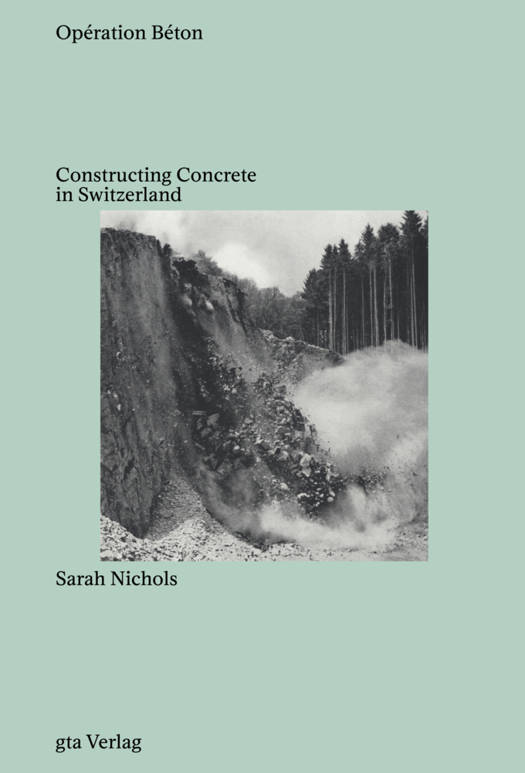
Concrete has remade the world. Engineers, architects, material scientists, and the cement industry have, in turn, developed and shaped it along the way. To understand how concrete became the building material of choice, this book examines on organizations, concepts, and techniques that enabled its ubiquitous usage. Focusing on Switzerland, it examines, for the first time, the institutionalization of cement in the 1880s to the peak years of concrete in the 1960s.Close readings and analysis of published and unpublished works give insight into key actors and construction projects and provide a richly illustrated and fascinating material history. Concrete's assumed traits, whether solid or fluid, delicate or monolithic, are revealed as tenuous constructs.
Specificaties
Betrokkenen
- Auteur(s):
- Uitgeverij:
Inhoud
- Taal:
- Engels
Eigenschappen
- Productcode (EAN):
- 9783856764760
- Uitvoering:
- Paperback
- Afmetingen:
- 170 mm x 250 mm


Alleen bij Standaard Boekhandel
+ 82 punten op je klantenkaart van Standaard Boekhandel
Cadeau

AANGERADEN


Beoordelingen
We publiceren alleen reviews die voldoen aan de voorwaarden voor reviews. Bekijk onze voorwaarden voor reviews.