


- Afhalen na 1 uur in een winkel met voorraad
- Gratis thuislevering in België vanaf € 30
- Ruim aanbod met 7 miljoen producten
- Afhalen na 1 uur in een winkel met voorraad
- Gratis thuislevering in België vanaf € 30
- Ruim aanbod met 7 miljoen producten





€ 270,30
+ 540 punten
Omschrijving
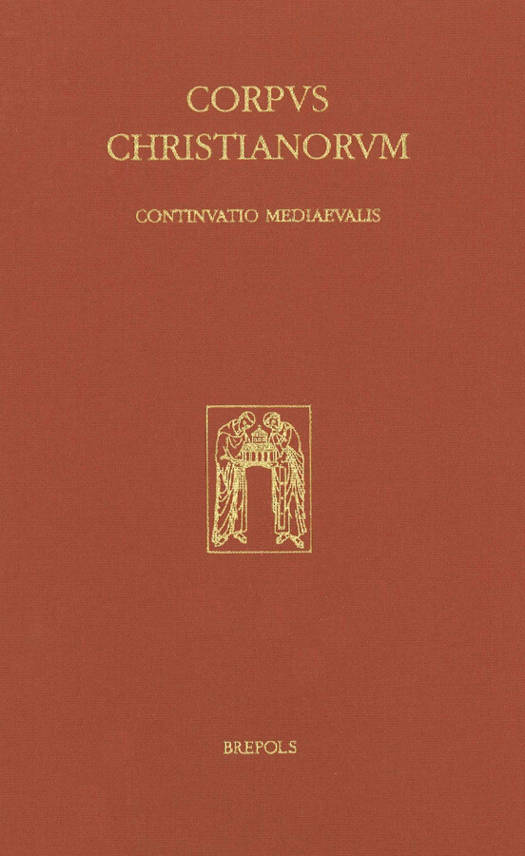
This second volume of Opera minora by Hildegard of Bingen (1098-1179) contains six works of various interest. The first two texts are new editions of the lives of two saints related to Hildegard's monastic environment. The Vita of St Disibod tells the story of the Irish monk and hermit who founded the monastery of Disibodenberg (Rhineland-Palatinate, Germany), while the Vita of St Rupert of Bingen provides a portrait of the man who gave his name to the monastery of Rupertsberg, the first convent founded by Hildegard. These hagiographical works are the only vitae that exist of the two saints. The third text, called Triginta octo questionum solutions, is a questionnaire on biblical and theological matters by Guibert of Gembloux, the Cistercian monk of Villers, with answers from Hildegard. The enigmatic Lingua ignota, a glossary of over thousand words, is Hildegard's attempt at creating a new, universal language, and is accompanied by the alternative alphabet entitled Litterae ignotae. Finally the volume presents the first critical edition of two almost unknown and unstudied Visiones of the magistra of Rupertsberg as recorded by her secretary, Guibert of Gembloux.Introductions for each of this volume's six works assess the respective texts, discuss the manuscripts with care, and establish the principles of the editions. This extraordinary ensemble of works demonstrates the remarkable richness and range of Hildegard's uvre. The volume will be of great interest to scholars of womens' spirituality, monastic studies, hagiography, Medieval Latin and vernacular literary and religious culture.
Specificaties
Betrokkenen
- Auteur(s):
- Uitgeverij:
Inhoud
- Aantal bladzijden:
- 350
- Taal:
- Frans
Eigenschappen
- Productcode (EAN):
- 9782503548371
- Verschijningsdatum:
- 25/03/2016
- Uitvoering:
- Hardcover
- Formaat:
- Genaaid
- Gewicht:
- 1418 g


Alleen bij Standaard Boekhandel
+ 540 punten op je klantenkaart van Standaard Boekhandel
Cadeau

AANGERADEN


Beoordelingen
We publiceren alleen reviews die voldoen aan de voorwaarden voor reviews. Bekijk onze voorwaarden voor reviews.