


- Afhalen na 1 uur in een winkel met voorraad
- Gratis thuislevering in België vanaf € 30
- Ruim aanbod met 7 miljoen producten
- Afhalen na 1 uur in een winkel met voorraad
- Gratis thuislevering in België vanaf € 30
- Ruim aanbod met 7 miljoen producten




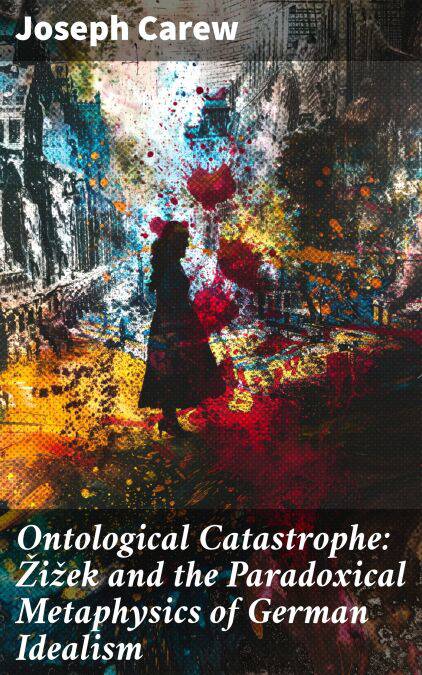
Ontological Catastrophe: Žižek and the Paradoxical Metaphysics of German Idealism E-BOOK
Unveiling the Paradoxes: A Deep Dive into Žižek and German Idealism
Joseph Carew
E-book | Engels
€ 0,49
Uitvoering
Omschrijving
In "Ontological Catastrophe: Žižek and the Paradoxical Metaphysics of German Idealism," Joseph Carew embarks on a compelling exploration of the intersections between contemporary philosophy and the enduring legacy of German idealism. Carew adeptly navigates the complex terrain of Slavoj Žižek's thought, revealing how Žižek's interpretations resonate with, challenge, and expand upon the foundational concepts established by German idealists such as Hegel and Kant. The literary style is rigorous yet accessible, employing a critical lens that distances itself from both dogmatic adherence to tradition and superficial modern critiques, positioning Žižek as a pivotal figure in contemporary metaphysical discourse. Joseph Carew, an insightful scholar steeped in the nuances of both psychoanalysis and idealist philosophy, draws from his extensive academic background to dissect the paradoxical nature of existence as presented by Žižek. His previous works and scholarly interests in dialectics have uniquely shaped his approach, fostering a profound understanding of how historical philosophical frameworks inform and complicate modern thought. This blend of expertise and personal engagement with the material lends depth to Carew's analysis. This book is highly recommended for students and scholars of philosophy, as well as those intrigued by the contradictions inherent in modern metaphysics. Carew's work not only demystifies Žižek but also invigorates philosophical inquiry, urging readers to engage with the complexities of existence and the intellectual heritage that continues to shape it.
Specificaties
Betrokkenen
- Auteur(s):
- Uitgeverij:
Inhoud
- Aantal bladzijden:
- 288
- Taal:
- Engels
Eigenschappen
- Productcode (EAN):
- 8596547680284
- Verschijningsdatum:
- 27/11/2023
- Uitvoering:
- E-book
- Beveiligd met:
- Digital watermarking
- Formaat:
- ePub



Alleen bij Standaard Boekhandel
AANGERADEN


Beoordelingen
We publiceren alleen reviews die voldoen aan de voorwaarden voor reviews. Bekijk onze voorwaarden voor reviews.