


- Afhalen na 1 uur in een winkel met voorraad
- Gratis thuislevering in België vanaf € 30
- Ruim aanbod met 7 miljoen producten
- Afhalen na 1 uur in een winkel met voorraad
- Gratis thuislevering in België vanaf € 30
- Ruim aanbod met 7 miljoen producten





€ 216,45
+ 432 punten
Omschrijving
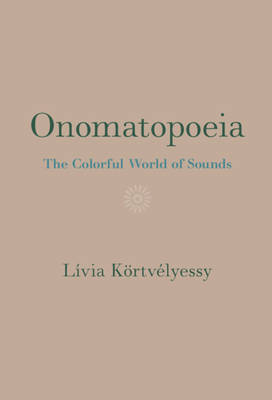
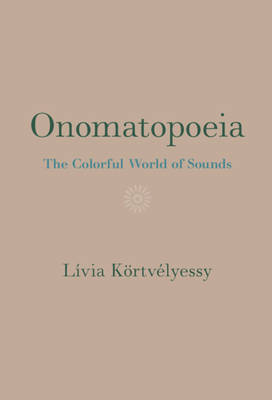
How do languages capture and represent the sounds of the world? Is this a universal phenomenon? Drawing from data taken from 124 different languages, this innovative book offers a detailed exploration of onomatopoeia, that are imagic icons of sound events. It provides comprehensive analysis from both theoretical and empirical perspectives, and identifies the prototypical semiotic, phonological, morphological, syntactic, word-formation, and socio-pragmatic features of onomatopoeia. Supported with numerous examples from the sample languages, the book highlights the varied scope of onomatopoeia in different languages, its relationship to ideophones and interjections, and the role of sound symbolism, particularly phonesthemes, in onomatopoeia-formation. It introduces an onomasiological model of onomatopoeia-formation, identifies onomatopoeic patterns, and specifies the factors affecting the similarities and differences between onomatopoeias standing for the same sound event. Filling a major gap in language studies, it is essential reading for researchers and students of phonology, morphology, semiotics, poetics, and linguistic typology.
Specificaties
Betrokkenen
- Auteur(s):
- Uitgeverij:
Inhoud
- Aantal bladzijden:
- 420
- Taal:
- Engels
Eigenschappen
- Productcode (EAN):
- 9781009438018
- Verschijningsdatum:
- 13/11/2025
- Uitvoering:
- Hardcover
- Formaat:
- Genaaid
- Afmetingen:
- 152 mm x 229 mm
- Gewicht:
- 725 g


Alleen bij Standaard Boekhandel
+ 432 punten op je klantenkaart van Standaard Boekhandel
Cadeau

AANGERADEN


Beoordelingen
We publiceren alleen reviews die voldoen aan de voorwaarden voor reviews. Bekijk onze voorwaarden voor reviews.