



Bedankt voor het vertrouwen het afgelopen jaar! Om jou te bedanken bieden we GRATIS verzending (in België) aan op alles gedurende de hele maand januari.
- Afhalen na 1 uur in een winkel met voorraad
- In januari gratis thuislevering in België
- Ruim aanbod met 7 miljoen producten
Bedankt voor het vertrouwen het afgelopen jaar! Om jou te bedanken bieden we GRATIS verzending (in België) aan op alles gedurende de hele maand januari.
- Afhalen na 1 uur in een winkel met voorraad
- In januari gratis thuislevering in België
- Ruim aanbod met 7 miljoen producten





€ 52,34
+ 104 punten
Omschrijving
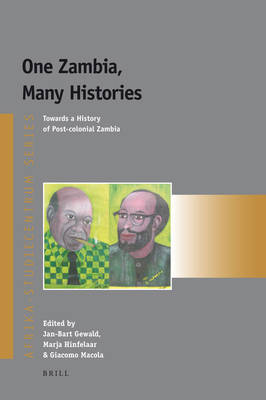
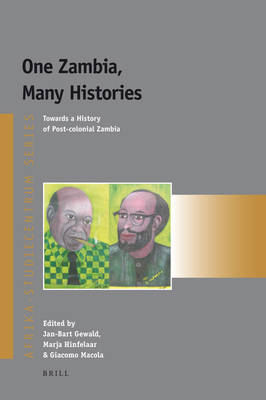
In contrast to the rich tradition of academic analysis and understanding of the pre-colonial and colonial history of Zambia, the country's post-colonial trajectory has been all but ignored by historians. The assumptions of developmentalism, the cultural hegemony of the United National Independence Party's orthodoxy and its conflation with national interests, and a narrow focus on Zambia's diplomatic role in Southern African affairs, have all contributed to a dearth of studies centring on the diverse lived experiences of Zambians. Inspired by an international conference held in Lusaka in August 2005, and presenting a broad range of essays on different aspects of Zambia's post-colonial experience, this collection seeks to lay the foundations for a future process of sustained scholarly enquiry into the country's most recent past.
Specificaties
Betrokkenen
- Auteur(s):
- Uitgeverij:
Inhoud
- Aantal bladzijden:
- 316
- Taal:
- Engels
- Reeks:
- Reeksnummer:
- nr. 12
Eigenschappen
- Productcode (EAN):
- 9789004165946
- Verschijningsdatum:
- 25/06/2008
- Uitvoering:
- Paperback
- Formaat:
- Trade paperback (VS)
- Afmetingen:
- 157 mm x 239 mm
- Gewicht:
- 521 g


Alleen bij Standaard Boekhandel
+ 104 punten op je klantenkaart van Standaard Boekhandel
SOLDEN


Beoordelingen
We publiceren alleen reviews die voldoen aan de voorwaarden voor reviews. Bekijk onze voorwaarden voor reviews.