


- Afhalen na 1 uur in een winkel met voorraad
- Gratis thuislevering in België vanaf € 30
- Ruim aanbod met 7 miljoen producten
- Afhalen na 1 uur in een winkel met voorraad
- Gratis thuislevering in België vanaf € 30
- Ruim aanbod met 7 miljoen producten





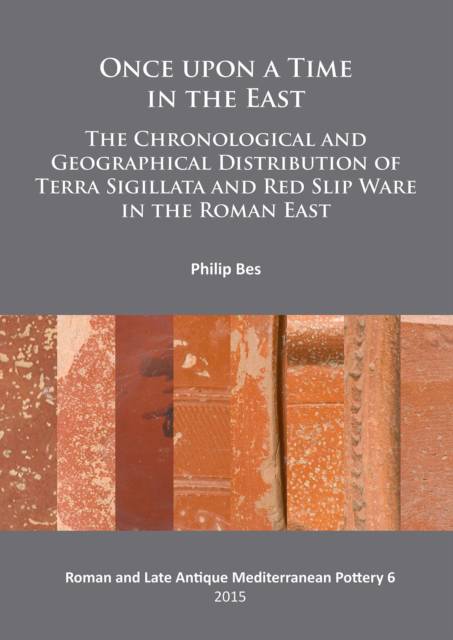
Once Upon a Time in the East
The Chronological and Geographical Distribution of Terra Sigillata and Red Slip Ware in the Roman East
Philip Bes
€ 54,45
Omschrijving
In this book Philip Bes summarises the results of his PhD thesis (Catholic University of Leuven) on the analysis of production trends and complex, quantified distribution patterns of the principal traded sigillatas and slipped table wares in the Roman East, from the early Empire to Late Antiquity (e.g. Italian Sigillata, Eastern Sigillata A, B and C, Candarli ware, Phocean Red Slip Ware/LRC, Cypriot Red Slip Ware/LRD and African Red Slip Wares). He draws on his own work in Sagalassos and Boeotia, as well as an exhaustive review of archaeological publications of ceramic data. The analysis compares major regional blocks, documenting coastal as well as inland sites, and offers an interpretation of these complex data in terms of the economy and possible distribution mechanisms.
Specificaties
Betrokkenen
- Auteur(s):
- Uitgeverij:
Inhoud
- Aantal bladzijden:
- 204
- Taal:
- Engels
- Reeks:
- Reeksnummer:
- nr. 6
Eigenschappen
- Productcode (EAN):
- 9781784911201
- Verschijningsdatum:
- 31/07/2015
- Uitvoering:
- Paperback
- Formaat:
- Trade paperback (VS)
- Afmetingen:
- 209 mm x 297 mm
- Gewicht:
- 793 g



Alleen bij Standaard Boekhandel
Cadeau

AANGERADEN


Beoordelingen
We publiceren alleen reviews die voldoen aan de voorwaarden voor reviews. Bekijk onze voorwaarden voor reviews.