


- Afhalen na 1 uur in een winkel met voorraad
- Gratis thuislevering in België vanaf € 30
- Ruim aanbod met 7 miljoen producten
- Afhalen na 1 uur in een winkel met voorraad
- Gratis thuislevering in België vanaf € 30
- Ruim aanbod met 7 miljoen producten





Omschrijving
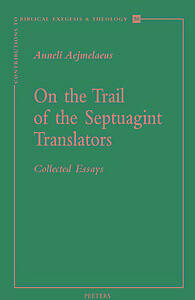
The essays of this revised and expanded collection were written by Prof. Anneli Aejmelaeus over a period of 25 years. The thread that runs through all these essays and holds the collection together is translation technique, which is characterized as a central aspect of methodology rather than an object of study. Only by tracing the trail of the Septuagint translators is it possible to gain a reliable picture of the different translators and of the Hebrew Vorlage their work was based on. The themes dealt with in the individual essays range from the study of syntactical features of the Greek language used in the Septuagint to the quest for the correct understanding of the underlying Hebrew, from the overall description of the translation character of certain biblical books to the application of translation technical data in textual criticism of the Hebrew text, and from methodological questions to the discussion of theological interpretation by the translators, reflecting the ongoing discussion in the international field of Septuagint studies and representing a significant and distinctive critical position in it.
Specificaties
Betrokkenen
- Auteur(s):
- Uitgeverij:
Inhoud
- Aantal bladzijden:
- 316
- Taal:
- Engels
- Reeks:
- Reeksnummer:
- nr. 50
Eigenschappen
- Productcode (EAN):
- 9789042919396
- Verschijningsdatum:
- 10/07/2007
- Uitvoering:
- Paperback
- Formaat:
- Trade paperback (VS)
- Afmetingen:
- 150 mm x 231 mm
- Gewicht:
- 453 g


Alleen bij Standaard Boekhandel
+ 88 punten op je klantenkaart van Standaard Boekhandel

Beoordelingen
We publiceren alleen reviews die voldoen aan de voorwaarden voor reviews. Bekijk onze voorwaarden voor reviews.