


- Afhalen na 1 uur in een winkel met voorraad
- Gratis thuislevering in België vanaf € 30
- Ruim aanbod met 7 miljoen producten
- Afhalen na 1 uur in een winkel met voorraad
- Gratis thuislevering in België vanaf € 30
- Ruim aanbod met 7 miljoen producten





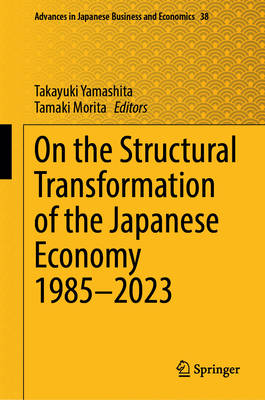
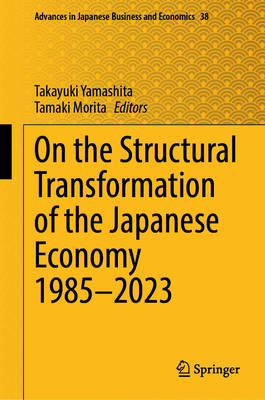
On the Structural Transformation of the Japanese Economy 1985-2023
€ 198,45
+ 396 punten
Omschrijving
This book clarifies the cause and effect of Japan's "Lost Three Decades". By analyzing factors such as exchange rates, industrial structure, internal migration, and the labor market, and in part comparing them with those of the U.S. economy, it offers new insights into the significant structural transformations that have occurred in the Japanese economy. It particularly highlights the different performance between the manufacturing and non-manufacturing sectors as a cause of the prolonged stagnation. The asset price bubble of the 1980s and the strong yen in the 1990s altered the employment structure of the export-driven manufacturing sector, drawing laborers to the service sector. The resulting allocation of resources to the low-productivity service sector has delayed economic recovery. It also discusses problems of an excess concentration in the Tokyo Metropolitan area. This book not only identifies structural change in the Japanese economy but also provides a practical framework for a differential productivity economic growth model. The studies offer a fresh understanding of Japan's economic transformation, with implications that can be directly applied to real-world economic scenarios, making it a valuable resource for economists, researchers, policymakers, and anyone interested in the dynamics of the Japanese economy.
Specificaties
Betrokkenen
- Uitgeverij:
Inhoud
- Aantal bladzijden:
- 214
- Taal:
- Engels
- Reeks:
- Reeksnummer:
- nr. 38
Eigenschappen
- Productcode (EAN):
- 9789819572298
- Verschijningsdatum:
- 31/03/2026
- Uitvoering:
- Hardcover
- Formaat:
- Genaaid
- Afmetingen:
- 156 mm x 234 mm
- Gewicht:
- 494 g

Alleen bij Standaard Boekhandel
+ 396 punten op je klantenkaart van Standaard Boekhandel
Cadeau

AANGERADEN


Beoordelingen
We publiceren alleen reviews die voldoen aan de voorwaarden voor reviews. Bekijk onze voorwaarden voor reviews.