


- Afhalen na 1 uur in een winkel met voorraad
- Gratis thuislevering in België vanaf € 30
- Ruim aanbod met 7 miljoen producten
- Afhalen na 1 uur in een winkel met voorraad
- Gratis thuislevering in België vanaf € 30
- Ruim aanbod met 7 miljoen producten





€ 49,45
+ 98 punten
Omschrijving
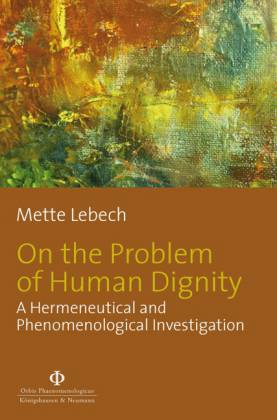
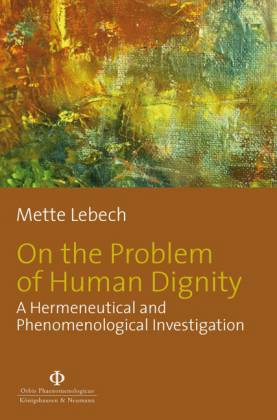
This book proposes a hermeneutically based understanding of Human Dignity which is substantiated by a phenomenological analysis conceived in the light of Edith Stein's early philosophy. A historical analysis lays bare four distinct traditions in European thought, each of which tends to conceptualise Human Dignity in a characteristic way. All of these make sense only because each one is concerned with the same idea, so that it is possible to regard the classical, the Christian, the Modern and the postmodern perspectives as contributing elements towards an eidetic analysis of the idea. It is argued that various definitions can represent the essence of which we have experiential knowledge. A constitutional analysis shows the intersubjective site of the idea and demonstrates why its simplicity and quasi-necessity makes it both universally accessible, and so difficult to explain that many contemporary authors actually deny the idea any precise content.
Specificaties
Betrokkenen
- Auteur(s):
- Uitgeverij:
Inhoud
- Aantal bladzijden:
- 327
- Taal:
- Engels
- Reeks:
- Reeksnummer:
- nr. 18
Eigenschappen
- Productcode (EAN):
- 9783826038150
- Uitvoering:
- Paperback
- Afmetingen:
- 158 mm x 234 mm
- Gewicht:
- 514 g


Alleen bij Standaard Boekhandel
+ 98 punten op je klantenkaart van Standaard Boekhandel
AANGERADEN


Beoordelingen
We publiceren alleen reviews die voldoen aan de voorwaarden voor reviews. Bekijk onze voorwaarden voor reviews.