



Bedankt voor het vertrouwen het afgelopen jaar! Om jou te bedanken bieden we GRATIS verzending (in België) aan op alles gedurende de hele maand januari.
- Afhalen na 1 uur in een winkel met voorraad
- In januari gratis thuislevering in België
- Ruim aanbod met 7 miljoen producten
Bedankt voor het vertrouwen het afgelopen jaar! Om jou te bedanken bieden we GRATIS verzending (in België) aan op alles gedurende de hele maand januari.
- Afhalen na 1 uur in een winkel met voorraad
- In januari gratis thuislevering in België
- Ruim aanbod met 7 miljoen producten





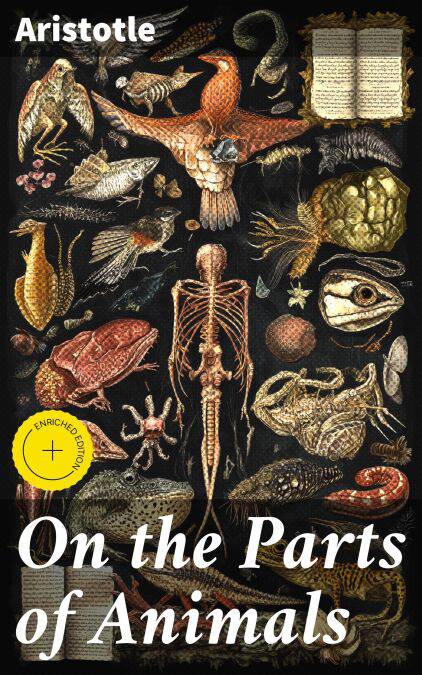
On the Parts of Animals E-BOOK
Enriched edition. Exploring Animal Anatomy and Physiology in Ancient Greece
Aristotle
E-book | Engels
€ 1,99
+ 1 punten
Omschrijving
In "On the Parts of Animals," Aristotle embarks on an intricate exploration of biological structures and functions, examining the anatomy and physiology of various organisms. This seminal work is characterized by its meticulous observation and classification of animal parts, employing a pragmatic and empirical approach. Through a series of detailed comparisons, Aristotle uncovers the underlying principles of form and function, illustrating his foundational belief in the interconnectedness of anatomy with the broader framework of nature. His literary style, infused with scientific inquiry, advocates for the importance of understanding the natural world through observation rather than mere speculation, laying the groundwork for both biology and philosophy. Aristotle, a towering figure of ancient Greek philosophy and science, was profoundly influenced by his diverse educational background and his mentor, Plato. His extensive studies in the Lyceum, where he observed flora and fauna, enriched his understanding of the natural world. This intimate knowledge of biology inspired Aristotle to synthesize his findings in "On the Parts of Animals," as he sought to establish a science rooted in empirical observation, setting the stage for future biological discourse. This work is highly recommended for readers interested in the intersection of philosophy and biology, providing essential insights into the historical development of biological sciences. Aristotle's pioneering methodologies and his quest for knowledge remain relevant, making this book a crucial read for anyone seeking to grasp the foundations of scientific thought and the study of living beings.
In this enriched edition, we have carefully created added value for your reading experience:
- A succinct Introduction situates the work's timeless appeal and themes.
- The Synopsis outlines the central plot, highlighting key developments without spoiling critical twists.
- A detailed Historical Context immerses you in the era's events and influences that shaped the writing.
- An Author Biography reveals milestones in the author's life, illuminating the personal insights behind the text.
- A thorough Analysis dissects symbols, motifs, and character arcs to unearth underlying meanings.
- Reflection questions prompt you to engage personally with the work's messages, connecting them to modern life.
- Hand‐picked Memorable Quotes shine a spotlight on moments of literary brilliance.
- Interactive footnotes clarify unusual references, historical allusions, and archaic phrases for an effortless, more informed read.
In this enriched edition, we have carefully created added value for your reading experience:
- A succinct Introduction situates the work's timeless appeal and themes.
- The Synopsis outlines the central plot, highlighting key developments without spoiling critical twists.
- A detailed Historical Context immerses you in the era's events and influences that shaped the writing.
- An Author Biography reveals milestones in the author's life, illuminating the personal insights behind the text.
- A thorough Analysis dissects symbols, motifs, and character arcs to unearth underlying meanings.
- Reflection questions prompt you to engage personally with the work's messages, connecting them to modern life.
- Hand‐picked Memorable Quotes shine a spotlight on moments of literary brilliance.
- Interactive footnotes clarify unusual references, historical allusions, and archaic phrases for an effortless, more informed read.
Specificaties
Betrokkenen
- Auteur(s):
- Vertaler(s):
- Uitgeverij:
Inhoud
- Aantal bladzijden:
- 118
- Taal:
- Engels
Eigenschappen
- Productcode (EAN):
- 4064066317072
- Verschijningsdatum:
- 9/04/2021
- Uitvoering:
- E-book
- Beveiligd met:
- Digital watermarking
- Formaat:
- ePub


Alleen bij Standaard Boekhandel
+ 1 punten op je klantenkaart van Standaard Boekhandel
SOLDEN


Beoordelingen
We publiceren alleen reviews die voldoen aan de voorwaarden voor reviews. Bekijk onze voorwaarden voor reviews.