


- Afhalen na 1 uur in een winkel met voorraad
- Gratis thuislevering in België vanaf € 30
- Ruim aanbod met 7 miljoen producten
- Afhalen na 1 uur in een winkel met voorraad
- Gratis thuislevering in België vanaf € 30
- Ruim aanbod met 7 miljoen producten




Omschrijving
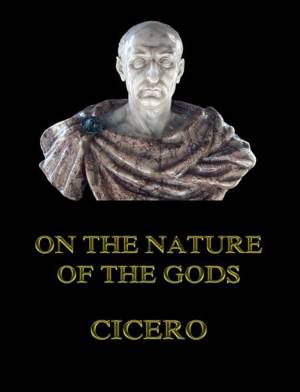
Cicero's religious belief, so far as we can gather it, was rather negative than positive. In the speculative treatise 'On the Nature of the Gods,' he examines all the current creeds of the day, but leaves his own quite undefined. The treatise takes the form of an imaginary conversation. This is supposed to have taken place at the house of Aurelius Cotta, then Pontifex Maximus—an office which answered nearly to that of Minister of religion. The other speakers are Balbus, Velleius, and Cicero himself, — who acts, however, rather in the character of moderator than of disputant. The debate is still, as in the more strictly philosophical dialogues, between the different schools.
Specificaties
Betrokkenen
- Auteur(s):
- Vertaler(s):
- Uitgeverij:
Inhoud
- Aantal bladzijden:
- 236
- Taal:
- Engels
Eigenschappen
- Productcode (EAN):
- 9783849651633
- Verschijningsdatum:
- 13/03/2018
- Uitvoering:
- E-book
- Beveiligd met:
- Digital watermarking
- Formaat:
- ePub


Alleen bij Standaard Boekhandel
+ 1 punten op je klantenkaart van Standaard Boekhandel
CADEAU


Beoordelingen
We publiceren alleen reviews die voldoen aan de voorwaarden voor reviews. Bekijk onze voorwaarden voor reviews.