


- Afhalen na 1 uur in een winkel met voorraad
- Gratis thuislevering in België vanaf € 30
- Ruim aanbod met 7 miljoen producten
- Afhalen na 1 uur in een winkel met voorraad
- Gratis thuislevering in België vanaf € 30
- Ruim aanbod met 7 miljoen producten





€ 19,99
+ 19 punten
Omschrijving
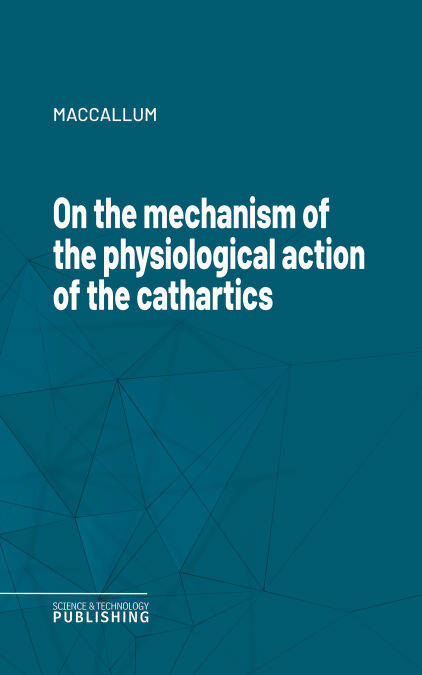
On the Mechanism of the Physiological Action of the Cathartics is a seminal scientific treatise by Julius M. Rogoff, first published in 1913. This comprehensive work delves into the intricate physiological processes underlying the action of cathartic agents—substances that stimulate bowel movements and are commonly used to treat constipation. Drawing upon a wealth of experimental data and clinical observations, Rogoff systematically examines the various classes of cathartics, including saline, stimulant, and bulk-forming agents, and elucidates their distinct mechanisms of action within the gastrointestinal tract. The book explores the historical context of cathartic use, tracing their application from ancient remedies to modern pharmacology. Rogoff meticulously details the absorption, distribution, and excretion of these agents, highlighting the roles of the intestinal mucosa, secretory glands, and nervous system in mediating their effects. He investigates the influence of cathartics on intestinal motility, secretion, and water balance, providing insights into how these drugs induce peristalsis and alter the consistency of fecal matter. Through a series of carefully designed experiments, Rogoff analyzes the physiological responses to different cathartic compounds in both animal models and human subjects. He discusses the impact of factors such as dosage, route of administration, and individual variability on the efficacy and safety of cathartic therapy. The book also addresses the potential side effects and complications associated with cathartic use, offering guidance on their appropriate clinical application. Rich in scientific detail and historical perspective, On the Mechanism of the Physiological Action of the Cathartics remains a valuable resource for medical professionals, pharmacologists, and historians of medicine. Rogoff’s rigorous approach and clear exposition make this work an enduring contribution to the understanding of gastrointestinal pharmacology and the therapeutic use of cathartic agents.
Specificaties
Betrokkenen
- Auteur(s):
- Uitgeverij:
Inhoud
- Taal:
- Engels
Eigenschappen
- Productcode (EAN):
- 9782528121771
- Verschijningsdatum:
- 31/08/2025
- Uitvoering:
- E-book
- Formaat:
- ePub


Alleen bij Standaard Boekhandel
+ 19 punten op je klantenkaart van Standaard Boekhandel
Cadeau

AANGERADEN


Beoordelingen
We publiceren alleen reviews die voldoen aan de voorwaarden voor reviews. Bekijk onze voorwaarden voor reviews.