


- Afhalen na 1 uur in een winkel met voorraad
- Gratis thuislevering in België vanaf € 30
- Ruim aanbod met 7 miljoen producten
- Afhalen na 1 uur in een winkel met voorraad
- Gratis thuislevering in België vanaf € 30
- Ruim aanbod met 7 miljoen producten





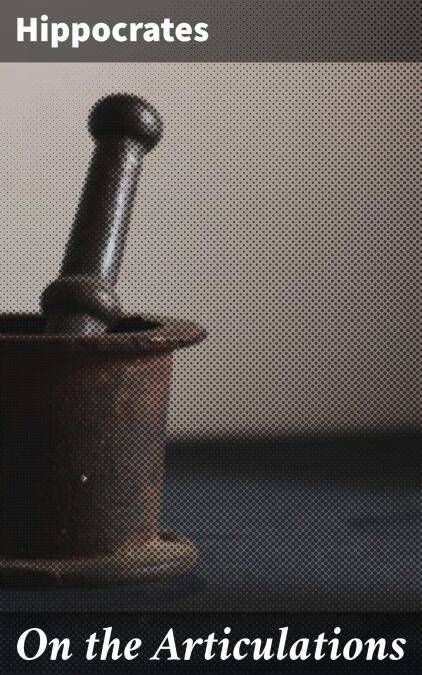
On the Articulations E-BOOK
Exploring Ancient Greek Medical Knowledge and Human Anatomy
Hippocrates
E-book | Engels
€ 1,99
+ 1 punten
Omschrijving
Hippocrates' "On the Articulations" stands as a seminal text in the canon of ancient medical literature, presenting a meticulous examination of human joints and articulations. With a blend of empirical observation and deductive reasoning, Hippocrates employs a clinical and yet poetic literary style that reflects the scientific rigor of his era. This work traverses the anatomy, functionality, and pathology of joints, offering insights that are strikingly advanced for its time. The text is deeply embedded in the historical context of Hippocratic medicine, which seeks to harmonize medical practice with philosophical inquiry, thereby laying the groundwork for future generations of physicians. Hippocrates, often hailed as the 'Father of Medicine,' was a pioneering figure in advancing medical practice beyond superstition and myth. His commitment to systematic observation and documentation of clinical phenomena is evident in this work, influenced by his experiences as a physician in ancient Greece. The Hippocratic Corpus, including this text, reflects a broader intellectual movement that emphasized ethics, empirical knowledge, and the well-being of the patient, principles that resonate to this day. "On the Articulations" is highly recommended for scholars, medical professionals, and enthusiasts eager to delve into the roots of medical knowledge. Its insights into the mechanics of the human body not only illuminate ancient practices but also offer enduring relevance in contemporary discussions of anatomy and treatment approaches. This book serves as an invaluable resource for anyone interested in the evolution of medical science.
Specificaties
Betrokkenen
- Auteur(s):
- Vertaler(s):
- Uitgeverij:
Inhoud
- Aantal bladzijden:
- 71
- Taal:
- Engels
Eigenschappen
- Productcode (EAN):
- 4064066465780
- Verschijningsdatum:
- 9/04/2021
- Uitvoering:
- E-book
- Beveiligd met:
- Digital watermarking
- Formaat:
- ePub


Alleen bij Standaard Boekhandel
+ 1 punten op je klantenkaart van Standaard Boekhandel
Cadeau

AANGERADEN


Beoordelingen
We publiceren alleen reviews die voldoen aan de voorwaarden voor reviews. Bekijk onze voorwaarden voor reviews.