


- Afhalen na 1 uur in een winkel met voorraad
- Gratis thuislevering in België vanaf € 30
- Ruim aanbod met 7 miljoen producten
- Afhalen na 1 uur in een winkel met voorraad
- Gratis thuislevering in België vanaf € 30
- Ruim aanbod met 7 miljoen producten





€ 99,95
+ 199 punten
Omschrijving
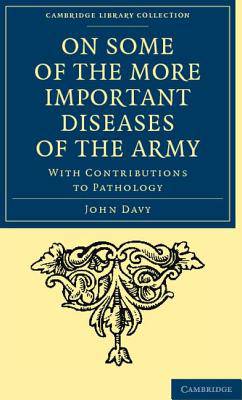
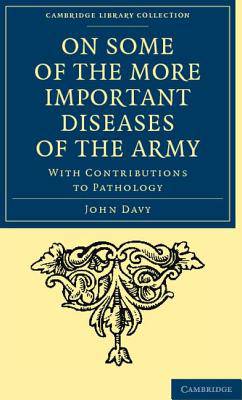
Born in Cornwall, John Davy (1790-1868) physiologist and anatomist, and the younger brother of the distinguished chemist Sir Humphry Davy (1778-1829), was one of the most prolific medical experts of his day. After taking a medical degree from Edinburgh in 1814 he became an army surgeon. He later became a hospital inspector and spent time living in overseas territories including India, Sri Lanka, and Barbados. First published in 1862, Davy's book discusses the prominence of fever, dysentery, cholera, liver disease, pneumonia, and other diseases common to the army, estimating that 45% of deaths in the British army serving abroad were caused by disease rather than by conflict. Davy also records his observations on putrefaction of bodies, particularly the vital organs, emphasising the need to determine the normal condition of human organs so that abnormal, diseased organs can be easily identified.
Specificaties
Betrokkenen
- Auteur(s):
- Uitgeverij:
Inhoud
- Aantal bladzijden:
- 456
- Taal:
- Engels
- Reeks:
Eigenschappen
- Productcode (EAN):
- 9781108037655
- Verschijningsdatum:
- 15/12/2011
- Uitvoering:
- Paperback
- Formaat:
- Trade paperback (VS)
- Afmetingen:
- 140 mm x 216 mm
- Gewicht:
- 576 g


Alleen bij Standaard Boekhandel
+ 199 punten op je klantenkaart van Standaard Boekhandel
Cadeau

AANGERADEN


Beoordelingen
We publiceren alleen reviews die voldoen aan de voorwaarden voor reviews. Bekijk onze voorwaarden voor reviews.