


- Afhalen na 1 uur in een winkel met voorraad
- Gratis thuislevering in België vanaf € 30
- Ruim aanbod met 7 miljoen producten
- Afhalen na 1 uur in een winkel met voorraad
- Gratis thuislevering in België vanaf € 30
- Ruim aanbod met 7 miljoen producten





€ 213,95
+ 427 punten
Omschrijving
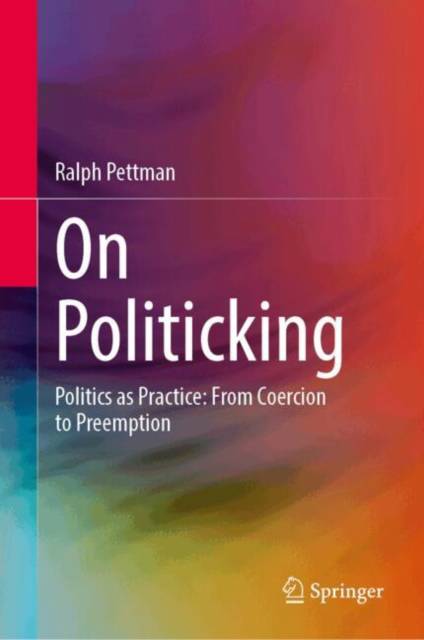
This book is unusual in that, although it asks a familiar question, it provides an unfamiliar answer. What's more, it's the most coherent and comprehensive answer possible. Most people say politics is about how societies organise their affairs, or about different kinds of government, or about who rules and why. The problem is that though they aren't wrong, they're only partly right. Social order, government and rule are all important, but they're part of a bigger picture. Politics is about much, much more. In short, it's about politicking, which is a fundamental form of behavior that involves a number of very specific practices. These include coercion, persuasion, reconciliation, exploitation, indoctrination, ratiocination, marginalization, and preemption. This is how people try to get their own way, either as individuals or in groups. It goes on all the time, too, within and between individuals, and at all other social levels, like families, bands, tribes, gangs, clubs, clans, offices, institutions, professions, companies, cities, provinces, countries, and religions. Most of this story never gets told, which is why this book was written. It has considerable theoretical significance, and a wide range of practical examples are provided throughout to illustrate the case it makes.
Specificaties
Betrokkenen
- Auteur(s):
- Uitgeverij:
Inhoud
- Aantal bladzijden:
- 164
- Taal:
- Engels
Eigenschappen
- Productcode (EAN):
- 9789819653331
- Verschijningsdatum:
- 4/05/2025
- Uitvoering:
- Hardcover
- Formaat:
- Genaaid
- Afmetingen:
- 156 mm x 234 mm
- Gewicht:
- 430 g


Alleen bij Standaard Boekhandel
+ 427 punten op je klantenkaart van Standaard Boekhandel
Cadeau

AANGERADEN


Beoordelingen
We publiceren alleen reviews die voldoen aan de voorwaarden voor reviews. Bekijk onze voorwaarden voor reviews.