


- Afhalen na 1 uur in een winkel met voorraad
- Gratis thuislevering in België vanaf € 30
- Ruim aanbod met 7 miljoen producten
- Afhalen na 1 uur in een winkel met voorraad
- Gratis thuislevering in België vanaf € 30
- Ruim aanbod met 7 miljoen producten





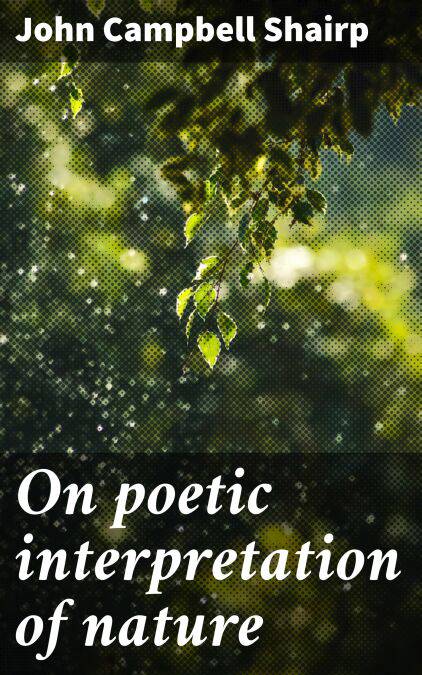
On poetic interpretation of nature E-BOOK
Exploring Nature's Poetry through Symbolism and Metaphor
John Campbell Shairp
E-book | Engels
€ 1,99
+ 1 punten
Omschrijving
In "On Poetic Interpretation of Nature," John Campbell Shairp delves into the profound relationship between the natural world and human emotion, proposing that poetry serves as a vital medium for interpreting the aesthetics of nature. Shairp, writing in the late 19th century, employs a reflective and lyrical prose style, blending philosophical inquiry with poetic analysis to explore the interplay between nature and the human psyche. His work situates itself within the broader Romantic context, where nature is venerated not merely as a backdrop but as a source of inspiration and emotional resonance, revealing the power of poetic expression to enhance our understanding of the world around us. An influential figure in Scottish literary circles, Shairp was deeply involved in the study of literature and philosophy. His professorship at the University of St Andrews and his connection with eminent thinkers underscored his belief in the essential dialogue between nature and art. These experiences shaped his conviction that poetry offers a unique lens through which to interpret the complexities of the natural landscape, bridging the gap between intellect and emotion. "On Poetic Interpretation of Nature" is highly recommended for readers interested in literary criticism, ecology, or the philosophy of aesthetics. Shairp'Äôs eloquent exploration invites readers to engage with the natural world not just as observers, but as active participants in the poetic conversation that enhances our appreciation of beauty and meaning.
Specificaties
Betrokkenen
- Auteur(s):
- Uitgeverij:
Inhoud
- Aantal bladzijden:
- 167
- Taal:
- Engels
Eigenschappen
- Productcode (EAN):
- 4064066429065
- Verschijningsdatum:
- 20/08/2022
- Uitvoering:
- E-book
- Beveiligd met:
- Digital watermarking
- Formaat:
- ePub


Alleen bij Standaard Boekhandel
+ 1 punten op je klantenkaart van Standaard Boekhandel
Cadeau

AANGERADEN


Beoordelingen
We publiceren alleen reviews die voldoen aan de voorwaarden voor reviews. Bekijk onze voorwaarden voor reviews.