


- Afhalen na 1 uur in een winkel met voorraad
- Gratis thuislevering in België vanaf € 30
- Ruim aanbod met 7 miljoen producten
- Afhalen na 1 uur in een winkel met voorraad
- Gratis thuislevering in België vanaf € 30
- Ruim aanbod met 7 miljoen producten





€ 195,45
+ 390 punten
Omschrijving
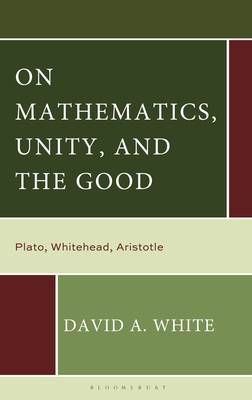
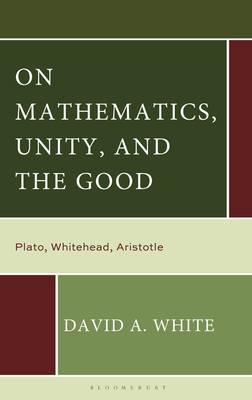
This book demonstrates that mathematical positions are based on metaphysical elements, which in turn provide schemata for evaluating and expanding metaphysical positions. The argument is grounded in the Platonic notion of the good, Whitehead's late essay on mathematics and the good, and Aristotle's sustained criticisms of Platonic philosophy of mathematics. Bridging ancient and modern thought, from Phaedo to the modern notion of Abelian groups in mathematics, it demonstrates that both mathematics and metaphysics incorporate contrast-rich experience and context-independent formalism and-at their best-can be partners in helping to discern fundamental features of the fullness of reality. David A. White explores how developments in mathematics and mathematical understanding can indicate, illustrate, and contribute to assessing metaphysical considerations when accounts of reality are approached from the standpoint of an articulated representation of the good.
Specificaties
Betrokkenen
- Auteur(s):
- Uitgeverij:
Inhoud
- Aantal bladzijden:
- 248
- Taal:
- Engels
Eigenschappen
- Productcode (EAN):
- 9781666963311
- Verschijningsdatum:
- 22/01/2026
- Uitvoering:
- Hardcover
- Formaat:
- Genaaid
- Afmetingen:
- 152 mm x 229 mm
- Gewicht:
- 494 g


Alleen bij Standaard Boekhandel
+ 390 punten op je klantenkaart van Standaard Boekhandel
Cadeau

AANGERADEN


Beoordelingen
We publiceren alleen reviews die voldoen aan de voorwaarden voor reviews. Bekijk onze voorwaarden voor reviews.