


- Afhalen na 1 uur in een winkel met voorraad
- Gratis thuislevering in België vanaf € 30
- Ruim aanbod met 7 miljoen producten
- Afhalen na 1 uur in een winkel met voorraad
- Gratis thuislevering in België vanaf € 30
- Ruim aanbod met 7 miljoen producten




€ 220,45
+ 440 punten
Uitvoering
Eenvoudig bestellen
Veilig betalen


Gratis thuislevering vanaf € 30 (via bpost)
Gratis levering in je Standaard Boekhandel
Omschrijving
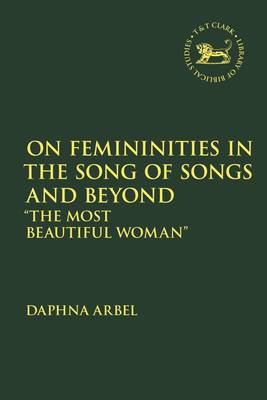
Vita Daphna Arbel uses critical theories of gender to offer an alternative reading of the multilayered conceptualization of the Song of Song's feminine protagonist: "the most beautiful woman". Arbel treats "the most beautiful woman" as a culturally constructed and performed representation of "woman," and situates this representation within the cultural--discursive contexts in which the Song partly emerged. She examines the gender norms and cultural ideologies it both reflects and constructs, and considers the manner in which this complex representation disrupts rigid, ahistorical notions of femininity, and how it consequently indirectly characterizes "womanhood" as dynamic and diverse.
Finally, Arbel examines the reception and impact of these ideas on later conceptualizations of the Song of Songs' female protagonist with a heuristic examination of Mark Chagall's Song of Songspainting cycle, Le Cantique des Cantiques. These compositions-selected for their diverse depictions of the Song's protagonist, their impact on European art, and their vast popularity and bearing in the broader cultural imagination-illustrate a fascinating dialogue between the present and the past about the "most beautiful woman" and about multiple femininities.
Finally, Arbel examines the reception and impact of these ideas on later conceptualizations of the Song of Songs' female protagonist with a heuristic examination of Mark Chagall's Song of Songspainting cycle, Le Cantique des Cantiques. These compositions-selected for their diverse depictions of the Song's protagonist, their impact on European art, and their vast popularity and bearing in the broader cultural imagination-illustrate a fascinating dialogue between the present and the past about the "most beautiful woman" and about multiple femininities.
Specificaties
Betrokkenen
- Auteur(s):
- Uitgeverij:
Inhoud
- Aantal bladzijden:
- 192
- Taal:
- Engels
- Reeks:
- Reeksnummer:
- nr. 716
Eigenschappen
- Productcode (EAN):
- 9780567700063
- Verschijningsdatum:
- 7/04/2022
- Uitvoering:
- Hardcover
- Formaat:
- Genaaid
- Afmetingen:
- 155 mm x 236 mm
- Gewicht:
- 453 g


Alleen bij Standaard Boekhandel
+ 440 punten op je klantenkaart van Standaard Boekhandel
CADEAU

AANGERADEN


Beoordelingen
We publiceren alleen reviews die voldoen aan de voorwaarden voor reviews. Bekijk onze voorwaarden voor reviews.