


- Afhalen na 1 uur in een winkel met voorraad
- Gratis thuislevering in België vanaf € 30
- Ruim aanbod met 7 miljoen producten
- Afhalen na 1 uur in een winkel met voorraad
- Gratis thuislevering in België vanaf € 30
- Ruim aanbod met 7 miljoen producten





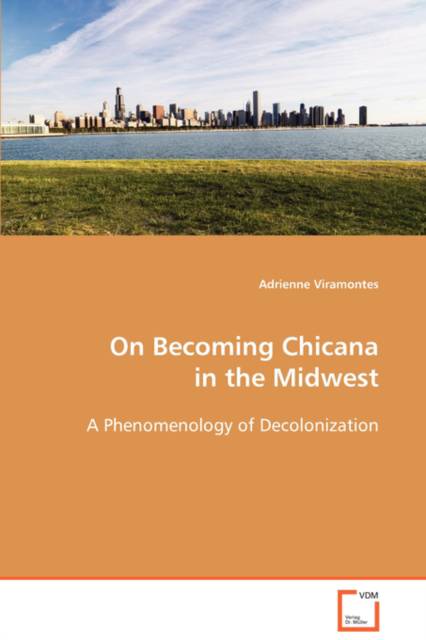
On Becoming Chicana in the Midwest
A Phenomenology of Decolonization
Adrienne Viramontes
Paperback | Engels
€ 86,45
+ 172 punten
Omschrijving
This study is a phenomenological exploration and
description of
Mexican American identity. I focus on the conditions
that made
possible my muted ethnic identity, in which although
I was a third
generation Mexican American, who was predominantly
raised by first
generation immigrants, I came to understand myself as
white. I also
focus on the process of decolonization that is
particular to my
experience in Northwest Indiana, a location to which
thousands of
Mexicans and many other immigrants migrated to work
in the steel
industry in the 1920s. By examining my own identity
constitution
through the intersection of race, class, gender, and
industry in
Northwest Indiana, I argue that those intersections
in that Midwestern
locale shaped an experience that is related to, but
significantly
different from, the far more thoroughly researched
comparable
experience in the Southwest. and one that shaped my
identity as an
industrial, insurgent Chicana.
description of
Mexican American identity. I focus on the conditions
that made
possible my muted ethnic identity, in which although
I was a third
generation Mexican American, who was predominantly
raised by first
generation immigrants, I came to understand myself as
white. I also
focus on the process of decolonization that is
particular to my
experience in Northwest Indiana, a location to which
thousands of
Mexicans and many other immigrants migrated to work
in the steel
industry in the 1920s. By examining my own identity
constitution
through the intersection of race, class, gender, and
industry in
Northwest Indiana, I argue that those intersections
in that Midwestern
locale shaped an experience that is related to, but
significantly
different from, the far more thoroughly researched
comparable
experience in the Southwest. and one that shaped my
identity as an
industrial, insurgent Chicana.
Specificaties
Betrokkenen
- Auteur(s):
- Uitgeverij:
Inhoud
- Aantal bladzijden:
- 160
- Taal:
- Engels
Eigenschappen
- Productcode (EAN):
- 9783639005486
- Verschijningsdatum:
- 5/11/2008
- Uitvoering:
- Paperback
- Formaat:
- Trade paperback (VS)
- Afmetingen:
- 152 mm x 229 mm
- Gewicht:
- 222 g


Alleen bij Standaard Boekhandel
+ 172 punten op je klantenkaart van Standaard Boekhandel
Cadeau

AANGERADEN


Beoordelingen
We publiceren alleen reviews die voldoen aan de voorwaarden voor reviews. Bekijk onze voorwaarden voor reviews.