


- Afhalen na 1 uur in een winkel met voorraad
- Gratis thuislevering in België vanaf € 30
- Ruim aanbod met 7 miljoen producten
- Afhalen na 1 uur in een winkel met voorraad
- Gratis thuislevering in België vanaf € 30
- Ruim aanbod met 7 miljoen producten





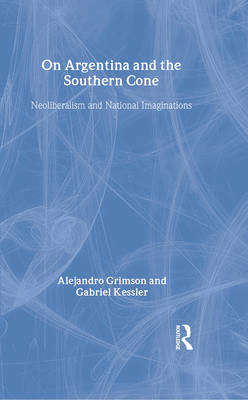
On Argentina and the Southern Cone
Neoliberalism and National Imaginations
Alejandro Grimson, Gabriel Kessler
€ 160,95
+ 321 punten
Omschrijving
This book considers how globalization is impacting contemporary Argentina-via regional trading blocs, through migrations across its borders, and through the emerging transnational border regions that it shares with other Latin American nations. Overshadowing all of these trends is the current crisis brought on by both international financial institutions possessing an increasing say over how the country is run and internal elites trying to use Argentina's integration into the world financial system to their own advantage. Argentina has long imagined itself as a European nation, qualitatively different from its Latin American neighbors. But recent events are forcing it to change its perception of itself. As the size of Argentina's transnational community continues to swell, and as the nation continues its financial and social implosion, Argentinians are being forced to re-imagine the nation as being Latin American, replete with the histories and problems of that part of the world.
Specificaties
Betrokkenen
- Auteur(s):
- Uitgeverij:
Inhoud
- Aantal bladzijden:
- 228
- Taal:
- Engels
- Reeks:
Eigenschappen
- Productcode (EAN):
- 9780415947633
- Verschijningsdatum:
- 1/10/2005
- Uitvoering:
- Hardcover
- Formaat:
- Genaaid
- Afmetingen:
- 171 mm x 204 mm
- Gewicht:
- 353 g


Alleen bij Standaard Boekhandel
+ 321 punten op je klantenkaart van Standaard Boekhandel
AANGERADEN


Beoordelingen
We publiceren alleen reviews die voldoen aan de voorwaarden voor reviews. Bekijk onze voorwaarden voor reviews.