


- Afhalen na 1 uur in een winkel met voorraad
- Gratis thuislevering in België vanaf € 30
- Ruim aanbod met 7 miljoen producten
- Afhalen na 1 uur in een winkel met voorraad
- Gratis thuislevering in België vanaf € 30
- Ruim aanbod met 7 miljoen producten





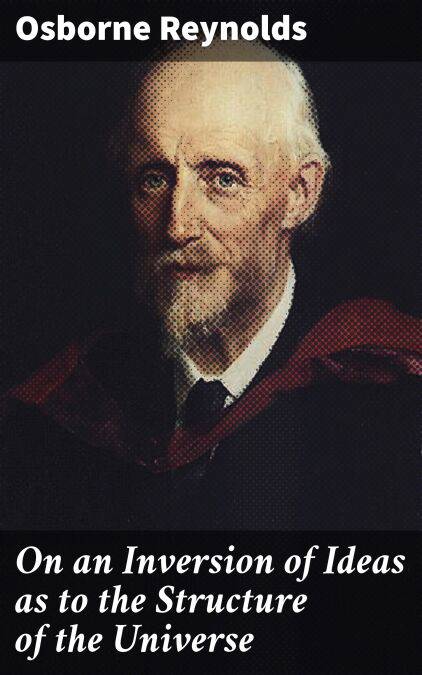
On an Inversion of Ideas as to the Structure of the Universe E-BOOK
Exploring Inversion: A New Perspective on the Cosmos
Osborne Reynolds
E-book | Engels
€ 0,99
€ 1,99
Omschrijving
In "On an Inversion of Ideas as to the Structure of the Universe," Osborne Reynolds embarks on a provocative exploration of scientific paradigms, challenging prevailing astronomical concepts through a rigorous analytical lens. This work, emblematic of late 19th-century scientific inquiry, masterfully weaves together theoretical physics with philosophical implications, employing Reynolds' distinctive clarity and precision in exposition. The text confronts established notions of cosmic structure, inviting readers to reconsider the very foundations upon which modern physics rests, thus positioning itself within a critical moment of intellectual upheaval sparked by revolutionary ideas in both science and philosophy. Osborne Reynolds, a prominent figure in fluid dynamics, was renowned for his pioneering contributions to science, which simultaneously informed his philosophical and theoretical ruminations on the universe. Growing from his background in engineering and academic pursuit, Reynolds was inspired to examine the greater implications of scientific progress and its relation to human understanding, making his exploration both a personal and objective quest for truth amid the complexities of discovery. This book is highly recommended for anyone intrigued by the intersection of philosophy and science, as it not only broadens one'Äôs understanding of cosmology but also stimulates profound questioning of our perceived realities. Reynolds' insights resonate with contemporary discussions in astrophysics and philosophy, making it a critical read for scholars and enthusiasts alike.
Specificaties
Betrokkenen
- Auteur(s):
- Uitgeverij:
Inhoud
- Aantal bladzijden:
- 25
- Taal:
- Engels
Eigenschappen
- Productcode (EAN):
- 4064066062149
- Verschijningsdatum:
- 7/12/2020
- Uitvoering:
- E-book
- Beveiligd met:
- Digital watermarking
- Formaat:
- ePub



Alleen bij Standaard Boekhandel
Cadeau

AANGERADEN


Beoordelingen
We publiceren alleen reviews die voldoen aan de voorwaarden voor reviews. Bekijk onze voorwaarden voor reviews.