


- Afhalen na 1 uur in een winkel met voorraad
- Gratis thuislevering in België vanaf € 30
- Ruim aanbod met 7 miljoen producten
- Afhalen na 1 uur in een winkel met voorraad
- Gratis thuislevering in België vanaf € 30
- Ruim aanbod met 7 miljoen producten





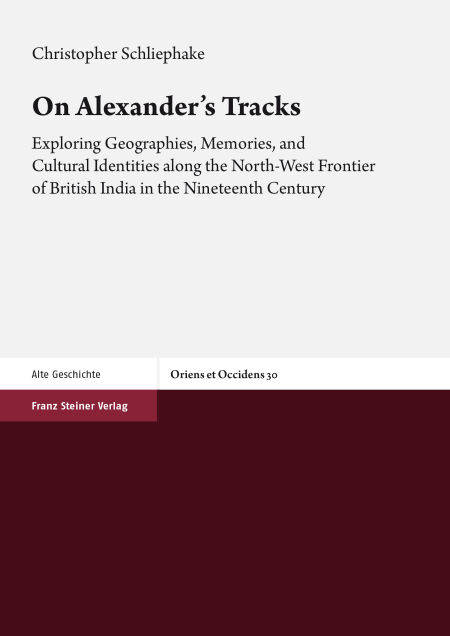
On Alexander's Tracks E-BOOK
Exploring Geographies, Memories, and Cultural Identities along the North-West Frontier of British India in the Nineteenth Century
Christopher Schliephake
€ 67,00
+ 67 punten
Omschrijving
How did British officers, geographers, and adventurers use the motif of 'travelling' in Alexander's 'footsteps' during their respective missions in Central Asia? Christopher Schliephake shows how the reception of Alexander the Great became an integral part of imperial self-representation and colonial identity in the nineteenth century. As Schliephake argues, the experiential framework of the exploration and conquest of regions like the Punjab or Afghanistan turned the abstract notion of following in Alexander's 'tracks' into a highly relevant category for negotiating the relationship between the present and the past, Europe and Asia. However, the further the British explorers advanced, they realized that Alexander had already been waiting for them – he came in the guise of Sikander or Iskander and some local indigenous tribes even claimed direct descent from him. The way the writings of the travelers reacted to the cultural confrontation between a 'Western' and an 'Eastern' Alexander will be one of the main themes of this e-book.
Specificaties
Betrokkenen
- Auteur(s):
- Uitgeverij:
Inhoud
- Aantal bladzijden:
- 311
- Taal:
- Engels
- Reeks:
Eigenschappen
- Productcode (EAN):
- 9783515124058
- Verschijningsdatum:
- 1/09/2019
- Uitvoering:
- E-book
- Beveiligd met:
- Digital watermarking
- Formaat:


Alleen bij Standaard Boekhandel
+ 67 punten op je klantenkaart van Standaard Boekhandel
Cadeau

AANGERADEN


Beoordelingen
We publiceren alleen reviews die voldoen aan de voorwaarden voor reviews. Bekijk onze voorwaarden voor reviews.