


- Afhalen na 1 uur in een winkel met voorraad
- Gratis thuislevering in België vanaf € 30
- Ruim aanbod met 7 miljoen producten
- Afhalen na 1 uur in een winkel met voorraad
- Gratis thuislevering in België vanaf € 30
- Ruim aanbod met 7 miljoen producten





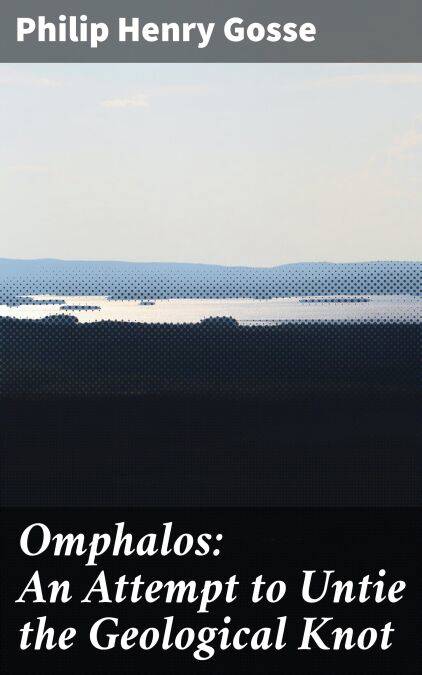
Omphalos: An Attempt to Untie the Geological Knot E-BOOK
A Literary Journey Through Faith and Fossils
Philip Henry Gosse
E-book | Engels
€ 0,49
€ 0,99
Omschrijving
In "Omphalos: An Attempt to Untie the Geological Knot," Philip Henry Gosse embarks on a profound exploration of the conflict between geological science and biblical creationism. The book is characterized by Gosse's meticulous style, intertwining erudition with profound philosophical inquiry. He posits the provocative idea that the Earth, created by God, was bestowed with signs of age and history that might mislead human observers. This intricate work navigates the landscape of 19th-century thought, where the perceived discord between evolution and scripture was becoming increasingly pronounced, prompting Gosse to seek a middle ground through rational argumentation. Philip Henry Gosse was a notable Victorian naturalist, whose deep engagement with both theology and natural history uniquely positioned him to tackle the contentious relationship between science and faith. His diverse background'Äîranging from his work as a marine biologist to his fervent belief in a literal interpretation of the Bible'Äîfueled his drive to reconcile these seemingly opposing realms. This personal journey reflects the broader tensions of his time, making 'ÄúOmphalos'Äù a pivotal piece in the discourse surrounding science and religion. I highly recommend "Omphalos" to anyone interested in the historical interplay between science and religion. Gosse's innovative arguments challenge readers to reflect on their own views regarding creation and the implications of scientific inquiry. This book is essential for scholars, theologians, and anyone curious about the intricate tapestry of belief and knowledge.
Specificaties
Betrokkenen
- Auteur(s):
- Uitgeverij:
Inhoud
- Aantal bladzijden:
- 1894
- Taal:
- Engels
Eigenschappen
- Productcode (EAN):
- 4057664578068
- Verschijningsdatum:
- 25/04/2021
- Uitvoering:
- E-book
- Beveiligd met:
- Digital watermarking
- Formaat:
- ePub


Alleen bij Standaard Boekhandel
Cadeau

AANGERADEN


Beoordelingen
We publiceren alleen reviews die voldoen aan de voorwaarden voor reviews. Bekijk onze voorwaarden voor reviews.