


- Afhalen na 1 uur in een winkel met voorraad
- Gratis thuislevering in België vanaf € 30
- Ruim aanbod met 7 miljoen producten
- Afhalen na 1 uur in een winkel met voorraad
- Gratis thuislevering in België vanaf € 30
- Ruim aanbod met 7 miljoen producten





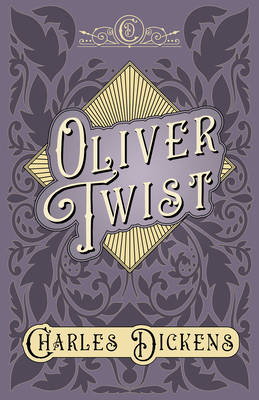
Oliver Twist
The Parish Boy's Progress - With Appreciations and Criticisms by G. K. Chesterton
Charles Dickens, G K Chesterton
Paperback | Engels
€ 56,95
+ 113 punten
Uitvoering
Omschrijving
Charles Dickens's second novel, "Oliver Twist" was first published as a serial from 1837 to 1839 and centres around the story of orphan Oliver Twist, who was born in a workhouse and sold as an apprentice to an undertaker. When he manages to escape, Oliver travels to London where he encounters the "Artful Dodger" and his gang of pickpockets. A gritty representation of the London underworld, "Oliver" famously exposed the hardships of the poor, especially the terrible treatment of orphans in the mid-19th century. Charles John Huffam Dickens (1812-1870) was an English writer and social critic famous for having created some of the world's most well-known fictional characters. His works became unprecedentedly popular during his life, and today he is commonly regarded as the greatest Victorian-era novelist. Although perhaps better known for such works as "Great Expectations" or "A Christmas Carol", Dickens first gained success with the 1836 serial publication of "The Pickwick Papers", which turned him almost overnight into an international literary celebrity thanks to his humour, satire, and astute observations concerning society and character. This classic work is being republished now in a new edition complete with an introductory chapter from "Appreciations and Criticisms of the Works of Charles Dickens" by G. K. Chesterton.
Specificaties
Betrokkenen
- Auteur(s):
- Uitgeverij:
Inhoud
- Aantal bladzijden:
- 390
- Taal:
- Engels
Eigenschappen
- Productcode (EAN):
- 9781406794052
- Verschijningsdatum:
- 12/11/2006
- Uitvoering:
- Paperback
- Formaat:
- Trade paperback (VS)
- Afmetingen:
- 140 mm x 216 mm
- Gewicht:
- 498 g


Alleen bij Standaard Boekhandel
+ 113 punten op je klantenkaart van Standaard Boekhandel

Beoordelingen
We publiceren alleen reviews die voldoen aan de voorwaarden voor reviews. Bekijk onze voorwaarden voor reviews.