


- Afhalen na 1 uur in een winkel met voorraad
- Gratis thuislevering in België vanaf € 30
- Ruim aanbod met 7 miljoen producten
- Afhalen na 1 uur in een winkel met voorraad
- Gratis thuislevering in België vanaf € 30
- Ruim aanbod met 7 miljoen producten





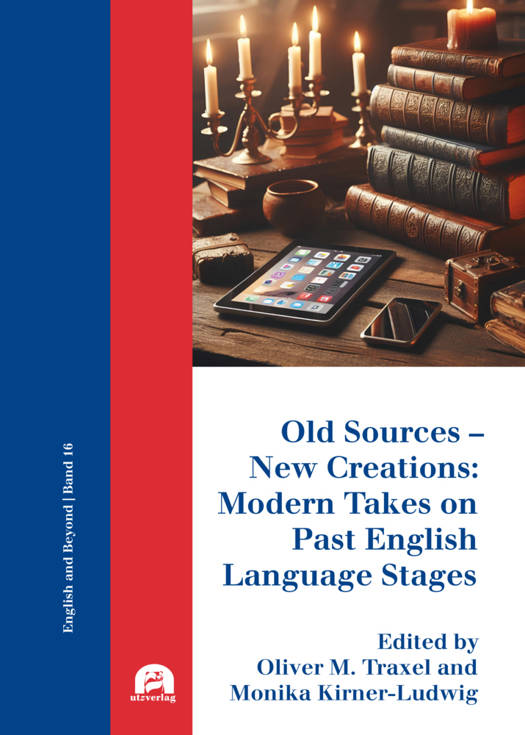
Old Sources - New Creations: Modern Takes on Past English Language Stages
€ 92,95
+ 185 punten
Omschrijving
This volume explores how past stages of the English language are reinterpreted and recontextualized in contemporary contexts. The idea for this publication originates from a 2022 symposium held at the University of Stavanger (Norway). It assembles contributions from scholars engaged in examining the dynamic interplay between historical forms of English and modern linguistic creativity. The studies included cover a wide spectrum, ranging from translations of Old English texts and pseudo-medieval linguistic constructs to the creative reuse of archaic vocabulary. They explore the choices and origins of linguistic forms, the challenges of adapting them to new settings, potential anachronistic misunderstandings and reinterpretations, and the expectations of intended audiences. The chapters in this volume demonstrate how past stages of English intersect with modern innovations, and offer valuable insights into diachronic connections between language, identity, and cultural continuity.
Specificaties
Betrokkenen
- Uitgeverij:
Inhoud
- Taal:
- Engels
- Reeks:
- Reeksnummer:
- nr. 16
Eigenschappen
- Productcode (EAN):
- 9783831650781
- Uitvoering:
- Hardcover
- Afmetingen:
- 170 mm x 240 mm

Alleen bij Standaard Boekhandel
+ 185 punten op je klantenkaart van Standaard Boekhandel
Cadeau

AANGERADEN


Beoordelingen
We publiceren alleen reviews die voldoen aan de voorwaarden voor reviews. Bekijk onze voorwaarden voor reviews.