


- Afhalen na 1 uur in een winkel met voorraad
- Gratis thuislevering in België vanaf € 30
- Ruim aanbod met 7 miljoen producten
- Afhalen na 1 uur in een winkel met voorraad
- Gratis thuislevering in België vanaf € 30
- Ruim aanbod met 7 miljoen producten





€ 34,95
+ 69 punten
Omschrijving
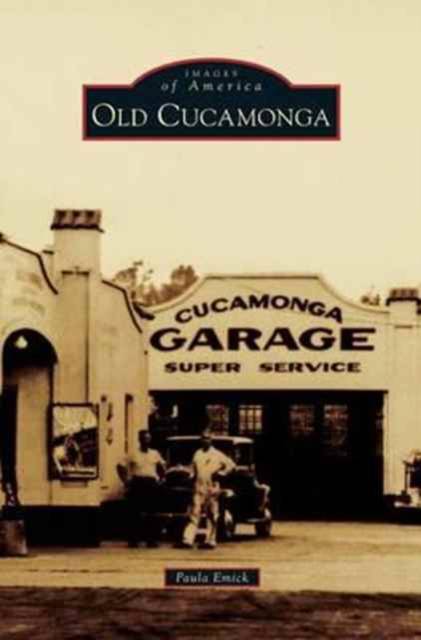
To its first inhabitants, the Tongvan Kucamonga tribe, cucamonga meant "land of many waters," referring to the area's numerous streams flowing down from the southeastern end of the San Gabriel Mountains. By the 1800s, it was a Mexican land grant named Cucamonga Rancho. Murder, drought, and foreclosure led to the subdivision of the rancho's 13,000 acres. Immigrants from around the world arrived in Cucamonga's renowned "wine valley." Italian immigrant Secundo Guasti bought a huge swath of land in southern Cucamonga and planted the world's largest vineyard. Many of Guasti's workers lived north of the winery in an area they named Northtown. Still others planted farms, started businesses, and built schools and churches. The farms are gone, most of the wineries are closed, and parts of the old rancho are now known as Upland and Ontario, but the story of Cucamonga lives on through these and other photographs.
Specificaties
Betrokkenen
- Auteur(s):
- Uitgeverij:
Inhoud
- Aantal bladzijden:
- 130
- Taal:
- Engels
Eigenschappen
- Productcode (EAN):
- 9781531677510
- Verschijningsdatum:
- 9/11/2015
- Uitvoering:
- Hardcover
- Formaat:
- Genaaid
- Afmetingen:
- 170 mm x 244 mm
- Gewicht:
- 412 g


Alleen bij Standaard Boekhandel
+ 69 punten op je klantenkaart van Standaard Boekhandel
Cadeau

AANGERADEN


Beoordelingen
We publiceren alleen reviews die voldoen aan de voorwaarden voor reviews. Bekijk onze voorwaarden voor reviews.