


- Afhalen na 1 uur in een winkel met voorraad
- Gratis thuislevering in België vanaf € 30
- Ruim aanbod met 7 miljoen producten
- Afhalen na 1 uur in een winkel met voorraad
- Gratis thuislevering in België vanaf € 30
- Ruim aanbod met 7 miljoen producten





€ 153,70
+ 307 punten
Omschrijving
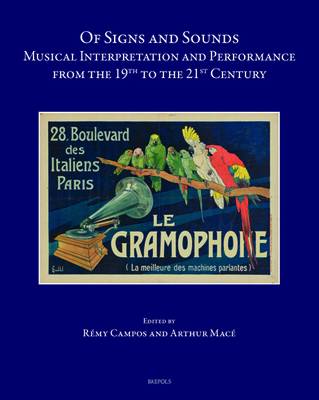
Over the last few decades, scholarly literature dedicated to historically informed performance has proliferated. Numerous publications, the creation of specialised collections and dedicated research teams have all contributed to the development of an ever-expanding scientific library. This vast repository of knowledge comprises not just written publications, but also countless recordings and performances, as well flourishing. Paradoxically, as new research methods developed, the terra incognita simultaneously seemed to expand. This volume does not attempt an exhaustive synthesis but instead aims to outline a number of significant trends within the field of historically informed performance studies, as practised in conservatoires and universities. The fifteen texts gathered in this volume can be read both as contributions to specific areas of performance studies as well as methodological proposals inviting cross-disciplinary reflection. The first part of the book, which examines among other topics music engraving, the theory and hermeneutics of the sign, and performers' annotations, puts forward new proposals for the analysis of the musical sign. The second part deals with the growing field of recordings analysis and reenactment, looking at leading artists (e. g. Georges Enesco, Vlado Perlemuter, Sarah Bernhardt or Charles Ives).
Specificaties
Betrokkenen
- Auteur(s):
- Uitgeverij:
Inhoud
- Aantal bladzijden:
- 395
- Taal:
- Frans
Eigenschappen
- Productcode (EAN):
- 9782503621791
- Verschijningsdatum:
- 5/12/2025
- Uitvoering:
- Hardcover
- Formaat:
- Genaaid
- Gewicht:
- 984 g


Alleen bij Standaard Boekhandel
+ 307 punten op je klantenkaart van Standaard Boekhandel
Cadeau

AANGERADEN


Beoordelingen
We publiceren alleen reviews die voldoen aan de voorwaarden voor reviews. Bekijk onze voorwaarden voor reviews.