


- Afhalen na 1 uur in een winkel met voorraad
- Gratis thuislevering in België vanaf € 30
- Ruim aanbod met 7 miljoen producten
- Afhalen na 1 uur in een winkel met voorraad
- Gratis thuislevering in België vanaf € 30
- Ruim aanbod met 7 miljoen producten





Omschrijving
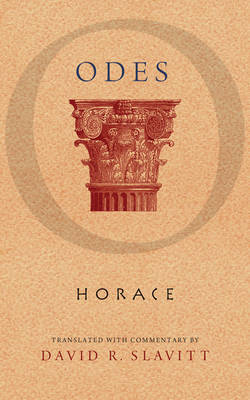
The Odes of Horace are a treasure of Western civilization, and this new English translation is a lively rendition by one of the prominent poet-translators of our own time, David R. Slavitt. Horace was one of the great poets of Rome's Augustan age, benefiting (as did fellow poet Vergil) from the friendship of the powerful statesman and cultural patron Maecenas. These Odes, which take as their formal models Greek poems of the seventh century BCE--especially the work of Sappho and Alcaeus--are the observations of a wry, subtle mind on events and occasions of everyday life. At first reading, they are modest works but build toward a comprehensive attitude that might fairly be called a philosophy. Charming, shrewd, and intimate, the voice of the Odes is that of a sociable wise man talking amusingly but candidly to admiring friends.
This edition is also notable for Slavitt's extensive notes and commentary about the art of translation. He presents the problems he encountered in making the translation, discussing possible solutions and the choices he made among them. The effect of the notes is to bring the reader even closer to the original Latin and to understand better how to gauge the distance between the two languages.
This edition is also notable for Slavitt's extensive notes and commentary about the art of translation. He presents the problems he encountered in making the translation, discussing possible solutions and the choices he made among them. The effect of the notes is to bring the reader even closer to the original Latin and to understand better how to gauge the distance between the two languages.
Specificaties
Betrokkenen
- Auteur(s):
- Vertaler(s):
- Uitgeverij:
Inhoud
- Aantal bladzijden:
- 206
- Taal:
- Engels
- Reeks:
Eigenschappen
- Productcode (EAN):
- 9780299298548
- Verschijningsdatum:
- 13/08/2014
- Uitvoering:
- Paperback
- Formaat:
- Trade paperback (VS)
- Afmetingen:
- 124 mm x 201 mm
- Gewicht:
- 204 g


Alleen bij Standaard Boekhandel
+ 27 punten op je klantenkaart van Standaard Boekhandel
Cadeau

AANGERADEN


Beoordelingen
We publiceren alleen reviews die voldoen aan de voorwaarden voor reviews. Bekijk onze voorwaarden voor reviews.