


- Afhalen na 1 uur in een winkel met voorraad
- Gratis thuislevering in België vanaf € 30
- Ruim aanbod met 7 miljoen producten
- Afhalen na 1 uur in een winkel met voorraad
- Gratis thuislevering in België vanaf € 30
- Ruim aanbod met 7 miljoen producten





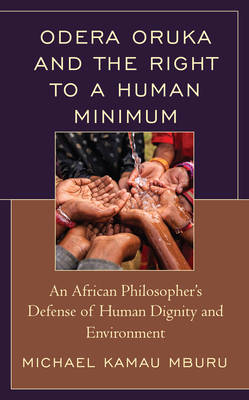
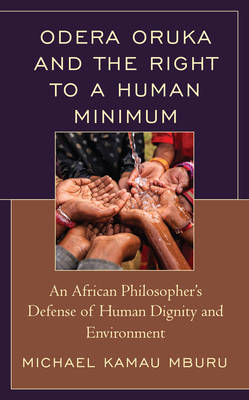
Odera Oruka and the Right to a Human Minimum
An African Philosopher's Defense of Human Dignity and Environment
Michael Kamau Mburu
€ 169,95
+ 339 punten
Omschrijving
Odera Oruka and the Human Minimum: An African Philosopher's Defense of Human Dignity and Environment considers the work of Odera Oruka (1944-1995)--arguably one of the finest philosophers in Africa--by analyzing his major practical contribution to philosophy from a practical point of view. Odera Oruka is well known for his sage philosophy, but his "practical philosophy" has received less attention. This book situates Oruka within philosophical discourses of justice, human rights, ethical duty, ecology, humanism, and politics. A thread that ties these questions together is Oruka's argument for the right to a human minimum, defined by three basic human needs: physical security, subsistence, and health care. Michael Kamau Mburu explores how these three taken together constitute the most basic and necessary (though not sufficient) right, and how establishing this right is a means to ensuring human dignity, which is a condition for global justice. The book also expounds and applies some ethical values and philosophies from Africa--such as "ubuntu" or humanness--to clarify, defend, and promote human dignity without jeopardizing the environment.
Specificaties
Betrokkenen
- Auteur(s):
- Uitgeverij:
Inhoud
- Aantal bladzijden:
- 158
- Taal:
- Engels
- Reeks:
Eigenschappen
- Productcode (EAN):
- 9781793650023
- Verschijningsdatum:
- 21/06/2022
- Uitvoering:
- Hardcover
- Formaat:
- Genaaid
- Afmetingen:
- 152 mm x 229 mm
- Gewicht:
- 403 g


Alleen bij Standaard Boekhandel
+ 339 punten op je klantenkaart van Standaard Boekhandel
Cadeau

AANGERADEN


Beoordelingen
We publiceren alleen reviews die voldoen aan de voorwaarden voor reviews. Bekijk onze voorwaarden voor reviews.