


- Afhalen na 1 uur in een winkel met voorraad
- Gratis thuislevering in België vanaf € 30
- Ruim aanbod met 7 miljoen producten
- Afhalen na 1 uur in een winkel met voorraad
- Gratis thuislevering in België vanaf € 30
- Ruim aanbod met 7 miljoen producten





€ 20,14
+ 40 punten
Omschrijving
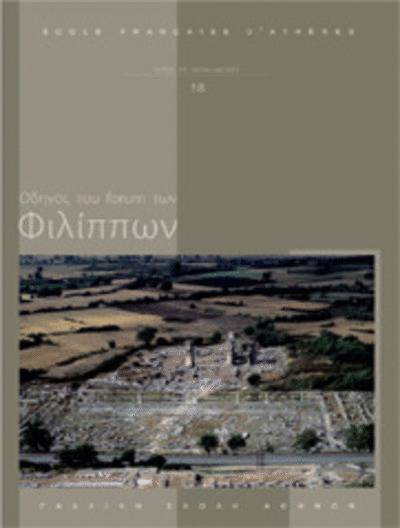
The city of Philippi, in eastern Macedonia, is known to us largely through Saint Paul. At the time of Paul's visit it was a Roman colony, founded in 42 BC on a site which had been inhabited since 360 BC and would remain so until the 7th century AD. The forum at Philippi played a crucial role. It was not only a public meeting point, but also very much a place where the colony's political community could gather, parade and hold forth. The major religious ceremonies and political and judicial proceedings took place amidst the statues in honour of eminent figures erected on inscribed plinths. A site for archaeological digs since 1914, the forum is in ruins to such an extent that it is difficult to understand how it was organized. This guide presents the results of a study ongoing since 1977, and should throw light on the heart of the Roman city of Philippi.
Specificaties
Betrokkenen
- Auteur(s):
- Uitgeverij:
Inhoud
- Aantal bladzijden:
- 98
- Taal:
- Frans
- Reeks:
- Reeksnummer:
- nr. 18
Eigenschappen
- Productcode (EAN):
- 9782869582668
- Verschijningsdatum:
- 14/11/2014
- Uitvoering:
- Paperback
- Formaat:
- Trade paperback (VS)
- Gewicht:
- 412 g


Alleen bij Standaard Boekhandel
+ 40 punten op je klantenkaart van Standaard Boekhandel
Cadeau

AANGERADEN


Beoordelingen
We publiceren alleen reviews die voldoen aan de voorwaarden voor reviews. Bekijk onze voorwaarden voor reviews.