


- Afhalen na 1 uur in een winkel met voorraad
- Gratis thuislevering in België vanaf € 30
- Ruim aanbod met 7 miljoen producten
- Afhalen na 1 uur in een winkel met voorraad
- Gratis thuislevering in België vanaf € 30
- Ruim aanbod met 7 miljoen producten





€ 108,45
+ 216 punten
Uitvoering
Omschrijving
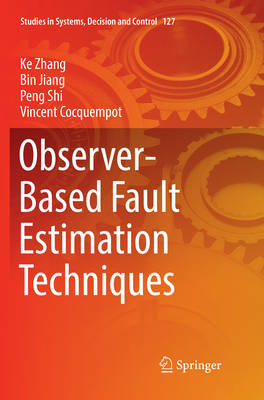
This book investigates observer-fault estimation techniques in detail, while also highlighting recent research and findings regarding fault estimation. In turn, fault isolation is used to identify the location of the faulty component, while fault estimation is used to identify the size of the fault online.
Specificaties
Betrokkenen
- Auteur(s):
- Uitgeverij:
Inhoud
- Aantal bladzijden:
- 187
- Taal:
- Engels
- Reeks:
- Reeksnummer:
- nr. 127
Eigenschappen
- Productcode (EAN):
- 9783319884387
- Verschijningsdatum:
- 25/08/2018
- Uitvoering:
- Paperback
- Afmetingen:
- 155 mm x 11 mm
- Gewicht:
- 320 g


Alleen bij Standaard Boekhandel
+ 216 punten op je klantenkaart van Standaard Boekhandel
Cadeau

AANGERADEN


Beoordelingen
We publiceren alleen reviews die voldoen aan de voorwaarden voor reviews. Bekijk onze voorwaarden voor reviews.