


- Afhalen na 1 uur in een winkel met voorraad
- Gratis thuislevering in België vanaf € 30
- Ruim aanbod met 7 miljoen producten
- Afhalen na 1 uur in een winkel met voorraad
- Gratis thuislevering in België vanaf € 30
- Ruim aanbod met 7 miljoen producten





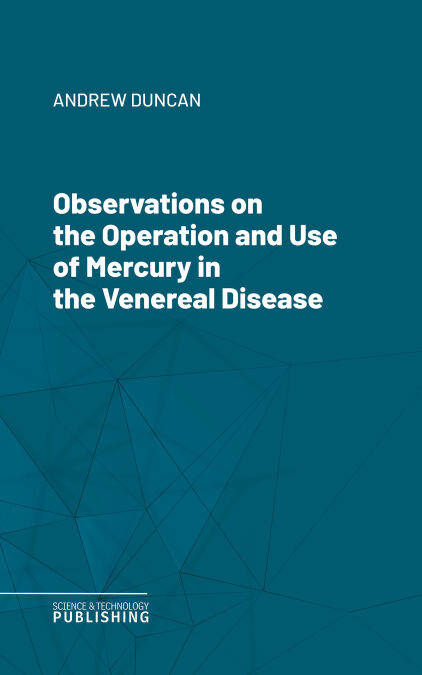
Observations on the Operation and Use of Mercury in the Venereal Disease E-BOOK
Duncan
E-book | Engels
€ 19,99
+ 19 punten
Omschrijving
Observations on the Operation and Use of Mercury in the Venereal Disease is a seminal medical treatise authored by John Hunter, one of the most influential surgeons and medical thinkers of the 18th century. First published in 1786, this work offers a comprehensive and detailed examination of the use of mercury as a treatment for venereal diseases, particularly syphilis, which was a widespread and devastating affliction in Europe at the time. Drawing on his extensive clinical experience and careful observation, Hunter discusses the physiological effects of mercury on the human body, the various methods of administration, and the potential dangers and side effects associated with its use. Hunter’s approach is methodical and empirical, emphasizing the importance of observation, experimentation, and critical analysis over blind adherence to tradition. He meticulously documents case studies, treatment outcomes, and the progression of symptoms, providing valuable insights into the nature of venereal diseases and the challenges of their management. The book also explores the controversies and debates surrounding mercury therapy, including its efficacy, appropriate dosage, and the risk of mercury poisoning. In addition to its clinical content, Observations on the Operation and Use of Mercury in the Venereal Disease reflects the broader intellectual currents of the Enlightenment, advocating for scientific rigor, skepticism, and the advancement of medical knowledge through reasoned inquiry. Hunter’s clear and direct prose makes the work accessible to both medical professionals and educated lay readers, and his influence can be seen in the subsequent development of modern medical science. This book remains a landmark in the history of medicine, offering a fascinating window into 18th-century medical practice, the treatment of sexually transmitted infections, and the evolving understanding of pharmacology and toxicology. For historians, medical professionals, and anyone interested in the development of scientific medicine, Hunter’s observations provide an invaluable resource and a testament to the enduring quest for effective and humane treatments.
Specificaties
Betrokkenen
- Auteur(s):
- Uitgeverij:
Inhoud
- Taal:
- Engels
Eigenschappen
- Productcode (EAN):
- 9782528120613
- Verschijningsdatum:
- 31/08/2025
- Uitvoering:
- E-book
- Formaat:
- ePub


Alleen bij Standaard Boekhandel
+ 19 punten op je klantenkaart van Standaard Boekhandel

Beoordelingen
We publiceren alleen reviews die voldoen aan de voorwaarden voor reviews. Bekijk onze voorwaarden voor reviews.